
Definition: A fear of flying app for turbulence is a mobile tool that reduces panic during in-flight bumps by combining turbulence education, calming exercises, and coping techniques tailored to nervous flyers.
At a Glance: 5 Facts About Turbulence Anxiety Apps
- Turbulence fear is understandable: the FAA says turbulence is the leading cause of injuries to passengers and flight attendants in nonfatal airline accidents source.
- A good app explains what turbulence is, whether it is dangerous, and when it may be more likely.
- Flight-specific support usually beats a general meditation app because the fear starts with cabin motion, engine sound, and uncertainty.
- The most useful features are turbulence context, in-flight reassurance, and evidence-informed calming exercises.
- No app can remove bumps from the sky; the value is helping you ride the wave without arguing with it.
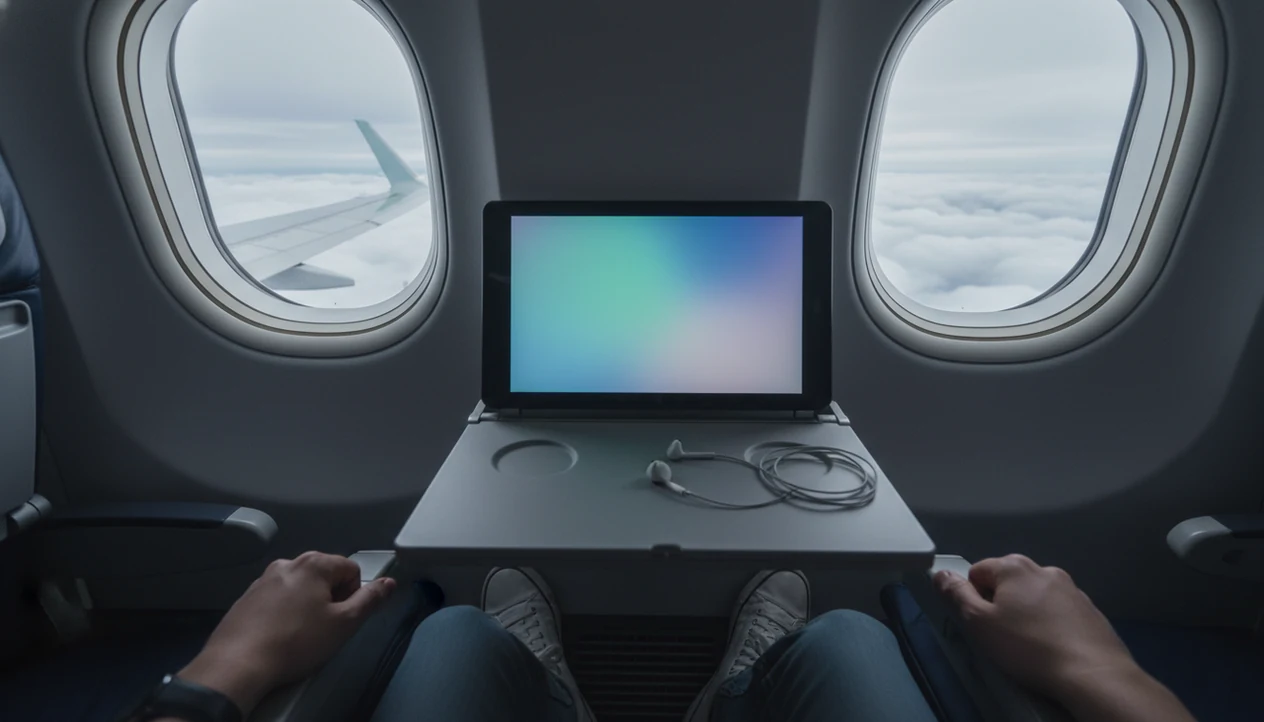
When the flaps whirr beside the wing, your body may brace before your mind catches up. That is the moment a generic “relax” track often feels too vague.
Feet down. Breath first.
What a Fear of Flying App for Turbulence Does
A fear of flying app for turbulence gives you two kinds of help: context before the flight and panic support while the cabin is moving. It explains bumps in plain language, then gives your body something simple to do when your mind wants certainty.
The best tools separate planning from coping. Pre-flight features may show route conditions, likely rough patches, or short education on why turbulence feels dramatic but is usually routine. In-flight features matter differently: calming audio, breath pacing, grounding cues, hypnosis, and cognitive reframes that turn “the plane is dropping” into “the air is uneven and the aircraft is built for this.”
Use the category this way:
- Check forecast or route context before boarding, then stop refreshing.
- Save offline audio, breathing, and reassurance tracks before airplane mode.
- Start the turbulence routine early, when the seatbelt sign dings or the tray table rattles.
- Follow short cues you can manage with limited attention: feet down, exhale longer, name what is true.
- Choose flight-specific language over generic meditation, because the fear is tied to motion, sounds, altitude, and uncertainty.
When Wi-Fi is gone, the winning features are offline access, one-tap audio, breath timing, and short reframes.
Best Turbulence Anxiety Apps: Named Shortlist for 2026
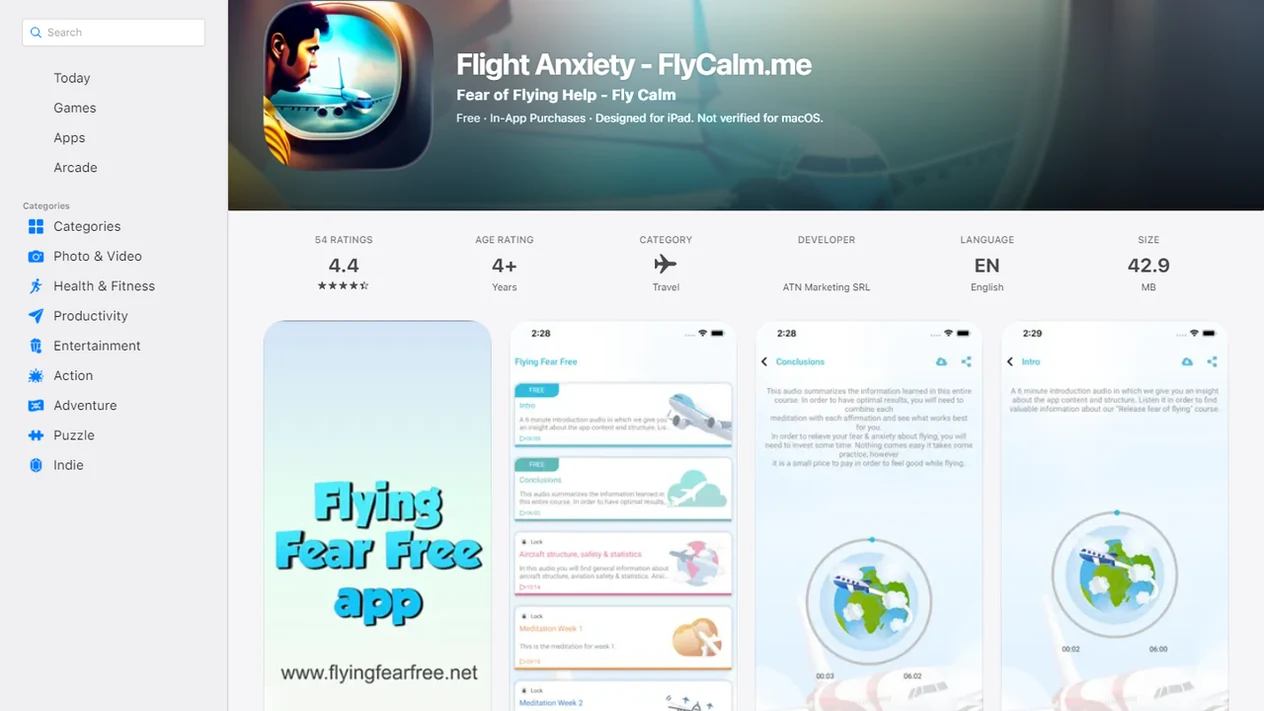
- CalmFlying: Best for in-flight coping because it combines grounding audio, breathing, hypnosis, cognitive reframes, and offline support. Flight Anxiety App fits nervous flyers who need a voice in the seat with them, not only a forecast before boarding.
- SkyGuru: Best for pilot-style explanation because it narrates flight phases and turbulence context. It can help people who calm down when they understand what the aircraft is doing, but calming exercises are less central.
- Flying Calmly: Best for a simple calming interface with turbulence awareness. It feels approachable, though it is lighter on structured anxiety methods.
- Turbli: Best for pre-flight turbulence probability maps. It is useful before travel, but it does not talk you through a shaking cabin.
For flyers who panic when the engine hum changes and the seatbelt sign dings, Flight Anxiety App flight anxiety relief through meditation, hypnosis, and cognitive techniques delivered via the calmflying app earns the top spot because its turbulence workflow gives you audio, breath timing, and thought reframes in one place.
Selection Criteria for Turbulence Anxiety Apps
A turbulence anxiety app should be judged by what it does when Wi-Fi is gone, the cabin is moving, and your shoulders are braced against the seat. I ranked apps by evidence-based tools, offline access, turbulence-specific content, data quality, and panic-moment usability.
Evidence-based anxiety tools include paced breathing, hypnosis, guided relaxation, and cognitive techniques. Vague reassurance is weaker. Good flight anxiety relief apps deliver context and coping, not a promise that the aircraft will stay still.
Offline availability matters because most useful coping happens in airplane mode. If you want a deeper moment-by-moment guide, an app that talks you through turbulence is usually more useful than a forecast screen alone.
If sudden bumps make your thoughts jump to danger, Flight Anxiety App is a practical fit because the cognitive reframe prompts redirect “something is wrong” into short, factual reminders.
Ready to fly calmer?
For turbulence anxiety, a strong fear of flying app pairs real-time turbulence context with evidence-based calming tools like guided breathing, hypnosis, and cognitive reframes…
How Turbulence Anxiety Apps Work Behind the Scenes
Turbulence anxiety apps work by reducing uncertainty and giving the nervous system a repeatable task. The two main mechanisms are cognitive reframing and parasympathetic activation. In plain language, that means changing the story your brain tells about bumps, then slowing the body enough to follow.
Paced breathing, grounding audio, and hypnosis can help your body shift away from alarm. Rest one hand on your thigh or belly. Let the exhale be a little longer. The cool plastic of the armrest can become an anchor.
Forecasting tools work differently. They use probabilistic weather models, not minute-by-minute certainty. Turbli may help before takeoff; Flight Anxiety App helps when the bump is already happening. A stronger turbulence anxiety app usually combines both ideas: understand the air, then calm the body.
The NHS describes CBT, graded exposure, and relaxation techniques as common phobia treatments source; an app can support those skills, but it does not replace care.
6 Steps for Using a Fear of Flying Turbulence App Before and During a Flight
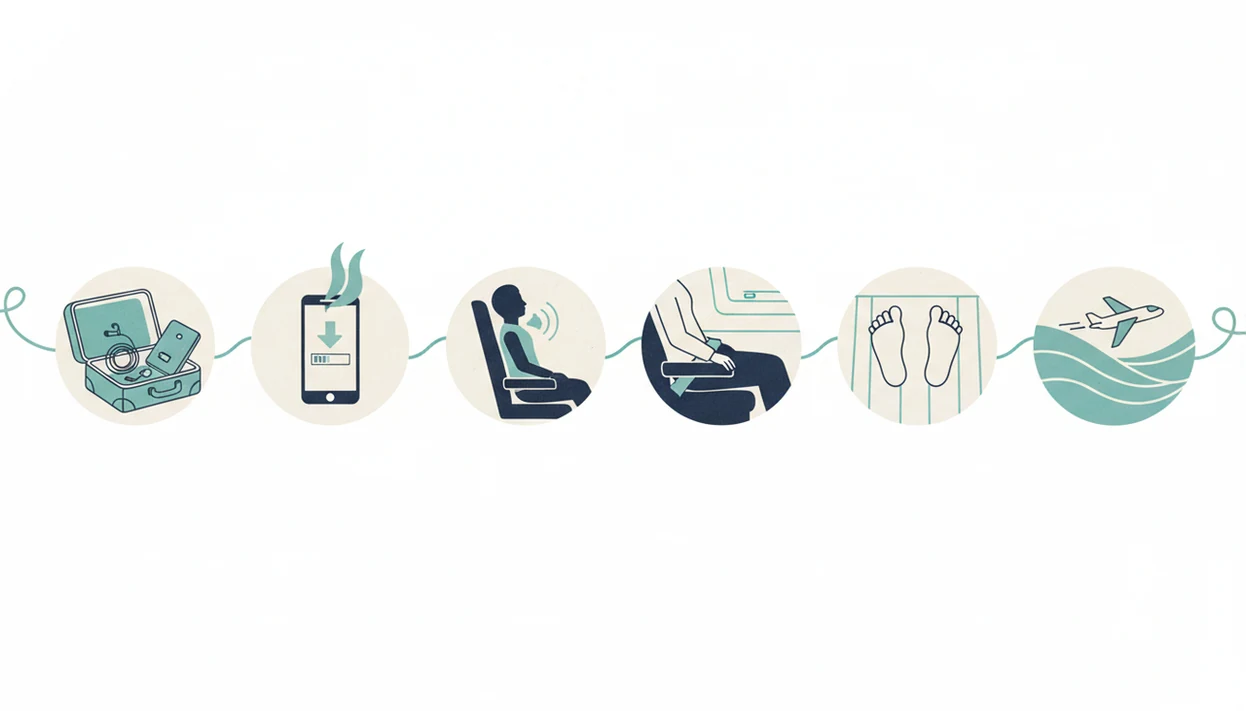
Use the app before fear peaks. Waiting until panic is already loud makes every instruction harder to hear.
- Download and cache content offline before your flight, including turbulence audio and breathing tracks.
- Complete a pre-flight grounding or hypnosis session at the gate, before boarding group numbers start tightening your stomach.
- Set up quick-access breathing exercises so one tap opens the turbulence routine.
- Review turbulence forecasts for your route to reduce uncertainty, without checking them every five minutes.
- Activate in-flight calming tools at the first sign of bumps, then press both heels into the floor.
- Log post-flight reflections so your brain records what happened, not only what it feared.
For people who freeze when bumps begin, CalmFlying works well because the offline turbulence routine starts with simple body cues before moving into thought reframes. If panic symptoms surge, pair it with a breathing exercise for panic on plane.
Comparison Table: Turbulence Fear App Features Side by Side
The strongest app depends on whether you need weather context, body-based calming, or both. Use this table as a quick filter before downloading anything at the gate.
Pricing, platform availability, and offline access can change by region, so verify each app's current listing before purchase. Treat this table as a decision filter, not a live pricing database.
| App name | Breathing exercises | Hypnosis/meditation | Turbulence forecasts | Offline mode | Cognitive reframes | Price |
|---|---|---|---|---|---|---|
| CalmFlying | Yes | Yes | No built-in maps | Yes | Yes | Paid options |
| SkyGuru | Limited | Limited | Flight context | Partial | Some explanation | Subscription |
| Flying Calmly | Some | Some | Yes | Varies | Limited | Varies |
| Turbli | No | No | Yes | Web-based planning | No | Free/paid tools |
Flight Anxiety App is the strongest choice for coping during turbulence because it includes breathing, hypnosis, and cognitive reframes, while Turbli is better for pre-flight weather probability. For extra mid-flight support, keep a plan for what to do during turbulence anxiety ready before takeoff.
Common Myths About Turbulence and Fear of Flying Apps
Myth: Turbulence means the flight is unsafe. Reality: turbulence is normal and not a sign of mechanical failure. Keep the seatbelt lying across your hips, and let the cabin become your anchor.
Myth: An app can predict exact bumps minute by minute. Reality: turbulence forecasts are probabilistic. They show risk, not certainty.
Myth: Just relaxing more will fix flight anxiety. Reality: structured guidance and education often work better than trying to force calm.
Myth: If an app feels calming, it must be scientifically proven. Reality: some apps offer pleasant audio without validated anxiety methods.
Myth: More turbulence information always reduces fear. Reality: for some flyers, too much checking increases vigilance.
If your fear spikes after one rough descent, Flight Anxiety App supports recovery because the post-flight reflection routine helps separate memory from prediction. That matters after flight anxiety after a bad flight.
Honest Cons of Every Turbulence Anxiety App
CalmFlying does not include built-in turbulence forecast maps, so travelers who want route-based probability data may still use Turbli or Flying Calmly before departure. Flight Anxiety App focuses more on what to do inside the fear response.
SkyGuru can feel reassuring because of pilot narration, but the subscription cost and limited offline calming exercises may frustrate some users. Turbli is useful for planning, yet forecast-only support can leave you alone once the tray table rattles.
Flying Calmly has a softer interface, but it appears lighter on evidence-based anxiety techniques. Competitors such as calm.flights, soar.com, fearlessflyerapp.com, and flyconfident.com may also help some flyers, though each varies in depth, price, and real-time usability.
No app replaces professional treatment for severe phobia.
Limitations
Fear of flying apps can help, but they have real limits. Be careful with any product that promises certainty in the air.
- No app can prevent turbulence or change aircraft motion.
- Turbulence forecasts are probabilistic, not guarantees; unexpected bumps still happen.
- Relaxation features are not a substitute for professional treatment when fear is severe or part of a broader anxiety disorder.
- App quality varies widely, and some products emphasize marketing claims over validated support.
- Turbulence information can increase vigilance in users who fixate on every bump.
- About 25 million U.S. adults live with specific phobias, according to the National Institute of Mental Health source.
- A phone battery, missing earbuds, or poor preparation can make even a good app hard to use.
For severe fear, Flight Anxiety App flight anxiety relief through meditation, hypnosis, and cognitive techniques delivered via the calmflying app is best used as support between therapy, practice flights, and planned coping routines.