First Flight Anxiety Tips For Takeoff, Cabin Sounds, Turbulence, And Landing
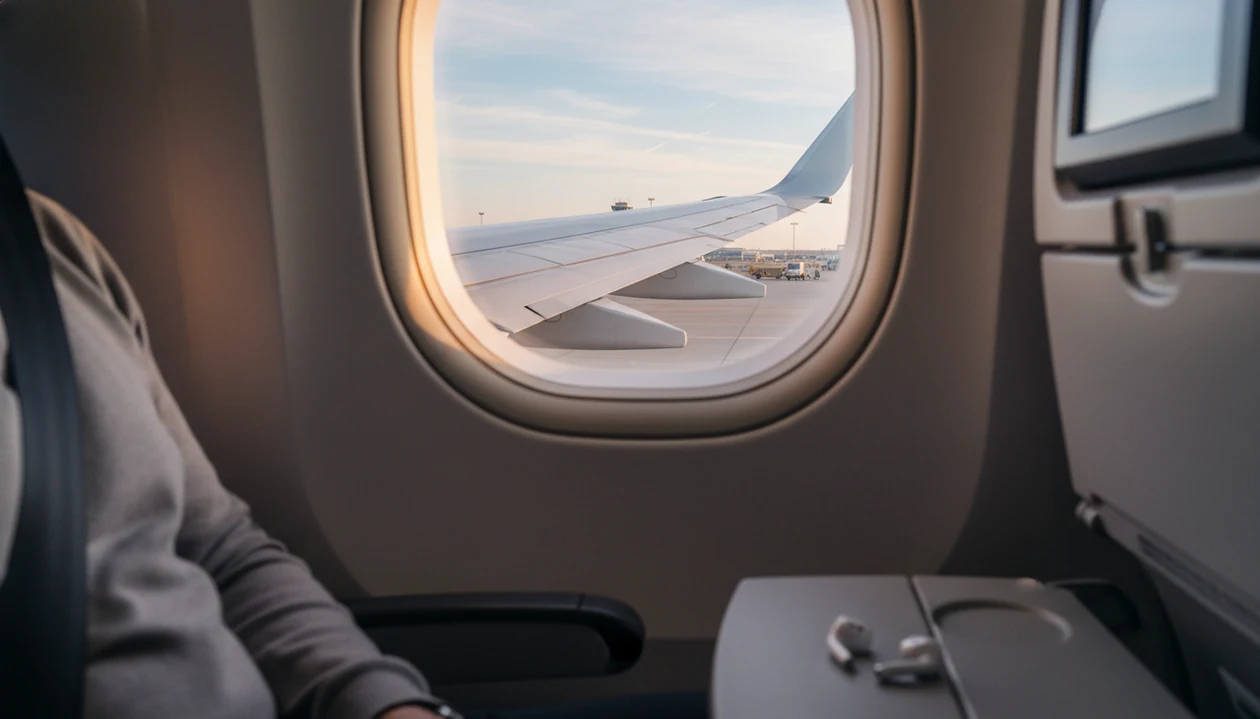
Useful first flight anxiety tips reduce uncertainty before you fly, explain which sensations are normal, and give you one or two calming tools to repeat during takeoff, turbulence, and landing. Your goal is not to eliminate every nervous feeling; it is to understand what is happening and stay functional from airport arrival to landing.
> Definition: First-time flyer anxiety is nervousness triggered by unfamiliar airport steps, lack of control, body sensations, aircraft sounds, takeoff, turbulence, or landing during a first plane trip.
TL;DR
- Uncertainty is a major trigger, so knowing the airport and in-flight sequence can make a first flight feel less threatening.
- Normal flying sensations include acceleration, engine changes, banking turns, light bumps, ear pressure, and braking after landing.
- Use a simple plan: arrive early, keep your seat belt fastened, practice breathing or grounding, and avoid new alcohol or medication experiments.
First flight anxiety tips at a glance
- First-time flyer anxiety is common, not a personal failure. In one U.S. sample, 36.7% of surveyed adults reported some fear of flying, and 20.1% reported severe fear of flying, according to a 2020 study source.
- Reduce uncertainty first. Know the airport sequence, boarding process, takeoff sensations, cruise sounds, and landing steps before travel day.
- Use one breathing pattern. A simple inhale for four, exhale for six works because it gives your body a repeatable job.
- Pick a grounding anchor. Use your feet, armrest, seat fabric, or a saved phrase instead of scanning the cabin for danger.
- Aim for calmer functioning, not zero anxiety. For a first flight, staying oriented and cooperative is a more realistic goal than feeling completely relaxed.
The pocket check is real.
Before you start: prepare for your first flight anxiety plan
Before you use any in-flight calming technique, make the travel day as predictable as possible. A first flight anxiety plan works better when the basics are already handled and your brain is not trying to solve every airport detail at once.
- Review your trip details. Check the itinerary, airport terminal, baggage limits, boarding time, and airline app before travel day so there are fewer surprises at the curb or counter.
- Save what you need offline. Download boarding passes, calming audio, shows, playlists, puzzles, and emergency contacts in case airport Wi-Fi or cell service is patchy.
- Avoid experiments. Do not try a new medication, sleep aid, or heavy alcohol before a first flight unless a clinician has already told you it is appropriate for you.
- Tell your companion what helps. Explain whether you want quiet reassurance, distraction, space, hand-holding, or simple check-ins, and name what would feel intrusive.
- Build in extra time. Arrive early enough for security lines, restroom breaks, water, and possible gate changes without turning a normal delay into a panic trigger.
How first-time flyer anxiety works in the body and brain
First-time flyer anxiety happens when the brain treats unfamiliar flying cues as possible threats before it has enough experience to interpret them accurately. Uncertainty, loss of control, threat prediction, and body scanning can make normal sensations feel alarming.
Your nervous system may notice acceleration, engine shifts, pressure changes, or a banking turn, then ask, “Is this safe?” The problem is not the sensation itself. It is the meaning your brain gives it when you have no previous flight memory to compare it with. Education helps because expectation-setting narrows the gap between “unknown” and “normal.”
Some flight-anxiety apps, including calm.flights and SOAR, combine aircraft education with repeatable coping skills. Treat any app as support for practice, not a source of instant certainty.
For first-time flyers, learning normal aircraft sensations is often easier than trying to suppress fear because it gives the brain a safer explanation for what the body feels.
What to expect on your first flight from airport to boarding
“What should I expect before boarding my first flight?” Expect a sequence: arrive, check in or drop a bag, go through security, find the gate, wait for boarding groups, scan your boarding pass, walk down the jet bridge, and locate your seat.
Arrive early because time pressure makes first-time flyer anxiety louder. Security trays clattering on rollers can feel intense when you are already rushed, so build in a buffer for lines, restroom breaks, water, and finding your gate. Keep logistics boring on purpose.
Before leaving home, download your boarding pass, calming audio, entertainment, and offline breathing exercises. Airport Wi-Fi can fade right when you want it. If you are helping a partner or teen, our guide on how to help someone with flight anxiety covers support without crowding them.
A good airport plan lowers anxiety by removing small decisions before the body is already activated.
Step 1: Build a first flight nervous pre-flight calm kit
Use this calm kit before your first plane ride:
- Pack headphones. Choose earbuds or over-ear headphones that stay comfortable for at least two hours.
- Buy water after security. Sip between breaths during boarding, takeoff, and descent.
- Carry gum or mints. Chewing can help with ear pressure and gives your mouth something familiar to do.
- Add a light layer. Cabins can feel warm during boarding and cooler during cruise.
- Bring a charger and downloaded distractions. Save music, a show, puzzles, or a breathing track before airport Wi-Fi drops.
- Choose a seat if possible. An aisle can help if you want movement; a window can give visual context.
Prepare one sentence for crew: “It’s my first flight, and I’m anxious. Could you tell me if the sounds I notice are normal?” Avoid trying a new sleep aid, new medication, or heavy alcohol before a first flight unless a clinician has already advised it.
Step 2: Use first flight anxiety tips during takeoff sounds and sensations
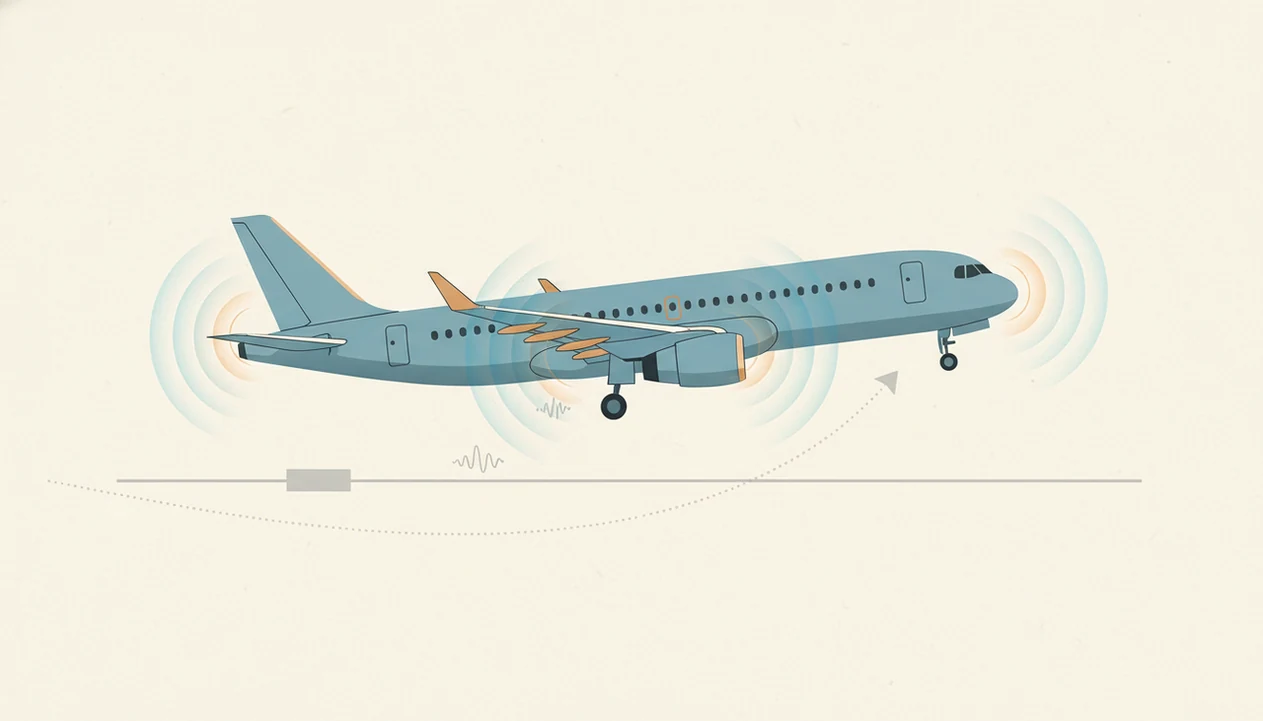
“Why does takeoff feel so intense on a first flight?” Takeoff combines engine spool-up, runway acceleration, lift-off, climbing angle, landing gear movement, flap changes, and engine tone shifts in a short window.
Your body may feel pushed back, light, warm, shaky, or hyper-alert. Those reactions can be anxiety plus normal motion cues. Knees pressed to the tray table make every vibration feel closer than it is. If you repeatedly check the wing, crew faces, or engine sound, your brain gets more danger signals to process.
Use one pattern instead. Inhale for four, exhale for six, and repeat for ten rounds. Then name five neutral facts: “I am seated. The belt is fastened. The plane is climbing. The crew is working. This phase is expected.”
Keep attention on a chosen anchor, such as your feet pressing into the floor or a takeoff audio track. If you want a stage-by-stage phone plan, a flight anxiety app for first-time flyers can help organize what to use before taxi, takeoff, cruise, and landing.
Step 3: Handle turbulence and landing on a first plane ride
- Turbulence fear is common. In a U.S. survey, 48.5% of respondents said airline turbulence makes them feel afraid, according to the same 2020 fear-of-flying study source.
- Turbulence is usually uncomfortable rather than dangerous. The aircraft can move through uneven air while still operating normally.
- Seat belts matter. FAA turbulence information notes that many turbulence injuries involve passengers or crew not wearing seat belts, so keep yours fastened while seated source.
- Landing has several normal sensations. Descent can bring ear pressure, banking turns, flap sounds, landing gear noise, and a lower engine tone.
- Touchdown can feel rough. Wheels may rumble on runway grooves, then reverse thrust and braking can sound loud.
During bumps, loosen your jaw, keep your feet flat, and say, “Uncomfortable is not the same as unsafe.” Clinicians typically recommend breathing, grounding, and gradual exposure skills for anxiety management, with professional care when fear causes major avoidance.
How to use a first flight anxiety plan during the trip
Use the same plan at each stage instead of inventing a new coping strategy mid-flight. If you only have five minutes, pick one breathing exercise and one phrase before boarding.
- Set your stage cue. Choose what you will use during boarding, taxi, takeoff, cruise, descent, and landing.
- Practice before the gate call. Run one minute of breathing while seated, not after panic peaks.
- Name the sensation. Say “acceleration,” “banking,” “ear pressure,” or “braking” instead of “something is wrong.”
- Ground through contact. Press your feet down, notice the armrest, and keep your eyes on one stable object.
- Reset after each spike. Use meditation, hypnosis, breathing exercises, or cognitive techniques as practice tools, not guarantees.
Use meditation, hypnosis, breathing exercises, or cognitive reframing as repeatable cues; if a technique makes you more vigilant, switch to the simplest grounding exercise.
Common myths about first-time flyer anxiety
Myth 1: Anxiety means something is wrong with you. First flight nervousness often reflects unfamiliarity, loss of control, and body alarm, not weakness.
Myth 2: Turbulence means the aircraft is unsafe. Turbulence often feels dramatic because your body dislikes sudden movement, but discomfort is not the same as danger.
Myth 3: Alcohol or a new sleep aid is the best quick fix. It can backfire, especially if you do not know how your body reacts at altitude or under stress.
Myth 4: You must feel completely calm before boarding. You can board while anxious and still follow a plan. Earbuds tucked under hair, one saved track, one steady breath.
Myth 5: Flying risk should be judged by anxiety intensity. An aviation safety review estimated the chance of dying in a commercial airline accident at about 1 in 11 million source, but numbers are context, not a magic off switch.
When first flight anxiety needs professional help
First flight anxiety needs professional help when fear starts making your choices for you. If you cancel trips, avoid important events, have panic attacks around flying, or feel unable to board despite preparation, it is reasonable to involve a qualified clinician.
A therapist can help you sort ordinary nerves from a more entrenched phobia or panic pattern. Common options include cognitive behavioral therapy, which works on the thoughts and safety behaviors that keep fear alive, and exposure therapy, which builds tolerance through gradual, planned contact with flying cues. Medication questions belong in a clinician-guided conversation, especially if you have other health conditions, take other prescriptions, or have never used that medication before.
- Notice the pattern. Track cancellations, panic symptoms, avoidance, and how much flying fear is shrinking your life.
- Book appropriate care. Ask a primary care clinician or licensed mental health professional about CBT, exposure-based treatment, or referral options.
- Discuss medication safely. Review risks, timing, alcohol interactions, and alternatives with a clinician instead of experimenting before a flight.
- Seek urgent help. Get immediate support if distress feels unmanageable, you might harm yourself, or you have safety concerns.
App-based tools can support practice between sessions, but they do not replace individualized care.
Limitations
First flight anxiety tips can lower distress, but they have limits. They work best as practical support, not as a cure claim.
- Breathing, mindfulness, and grounding can reduce acute distress, but they may not cure a severe phobia.
- Some people need professional treatment, such as exposure-based therapy, CBT, or clinician-directed medical advice.
- Meditation, hypnosis, and cognitive techniques vary between people; what helps one flyer may irritate another.
- No tip can remove every uncomfortable sensation from flying, including bumps, noise, ear pressure, or braking.
- Flight Anxiety App is not a substitute for emergency care or individualized medical treatment.
- Avoid new medication, sleep aids, or heavy alcohol before a first flight unless a clinician has reviewed your situation.
- The practical goal is lower distress, better control, and reduced avoidance over time.
For repeat travel, the needs can change; our flight anxiety app for frequent travelers guide focuses on routines across multiple trips.
FAQ
Is first flight anxiety normal?
Yes. First flight anxiety is common and is often linked to unfamiliar airport steps, lack of control, new body sensations, and uncertainty.
What should I expect on my first flight?
Expect airport arrival, check-in or bag drop, security, gate waiting, boarding, taxi, takeoff, cruise, descent, landing, and deplaning. Most anxiety spikes happen during unfamiliar transitions.
Why is takeoff so scary on a first flight?
Takeoff can feel scary because acceleration, engine noise, climb angle, and body pressure all happen quickly. These sensations are usually normal parts of leaving the runway.
Are airplane sounds normal during takeoff and landing?
Yes. Engines, landing gear, flaps, cabin chimes, airflow, braking, and reverse thrust can all make noticeable sounds during takeoff or landing.
Is turbulence dangerous for nervous flyers?
Turbulence is usually uncomfortable rather than dangerous. Keeping your seat belt fastened while seated reduces injury risk during unexpected bumps.
How do I calm panic on a plane?
Exhale slowly, press both feet into the floor, name five things you can see, and remind yourself that panic symptoms rise and pass. Use a saved breathing or grounding track if you have one.
Should I take anxiety medication before my first flight?
Speak with a clinician before using anxiety medication for flying. Do not try a new medication, sleep aid, or heavy alcohol for the first time before a flight.
Where should nervous flyers sit on a plane?
An aisle seat can help if you want easier movement, while a window seat can provide visual context. Seats near the wing may feel steadier for some passengers.
Can flight anxiety go away with practice?
Flight anxiety can improve with preparation, repeated exposure, skills practice, and sometimes professional treatment. Tools such as Flight Anxiety App may support practice between flights, but severe avoidance may need clinician-led care.