Restart After a Flight Anxiety Setback Without Losing Progress
To restart after flight anxiety setback, treat the scary flight, panic attack, or cancellation as data, not failure: debrief it calmly, identify the trigger, shrink the next practice step, and schedule a realistic next exposure. Your previous progress is not erased; your fear system simply needs another round of practice with better support.
> A flight anxiety setback is a return of fear, avoidance, or panic after progress, usually triggered by stress, turbulence, a difficult flight, or a loss of regular coping practice.
- A flight anxiety relapse is common in phobia recovery and does not mean you are back at zero.
- The best restart plan combines a calm debrief, smaller exposure steps, regular breathing or meditation practice, and a specific next-flight routine.
- If avoidance escalates or flying becomes impossible, app-based tools should be combined with CBT-informed professional support.
Flight Anxiety Setback Meaning for Nervous Flyers
A flight anxiety setback means fear has returned after improvement, not that your progress has disappeared. It can look like panicking onboard, canceling a trip, feeling shaken after turbulence, or avoiding booking the next flight.
The scale matters here. Reviews commonly estimate fear of flying affects roughly 10% to 40% of people, depending on definition and sample: https://pubmed.ncbi.nlm.nih.gov/20162303/. Specific phobia is also common; NIMH estimates that 12.5% of U.S. adults experience specific phobia at some point in life: https://www.nimh.nih.gov/health/statistics/specific-phobia.
That means you are not dealing with a rare personal defect. You are dealing with a fear system that got re-triggered.
The airport can make that feel bigger. A 3 a.m. transfer reminder, checked under blankets, can restart the whole alarm loop before you even pack. The restart is not self-punishment. It is a new practice round.
Flight Anxiety Relapse Effects in the Brain and Body
Flight anxiety relapse happens when the brain updates a recent intense experience as “danger,” even if the flight itself was safe. The body then reacts with alarms: racing heart, tight chest, nausea, shaking, or an urgent need to escape.
- A stressful flight, bad sleep, crash news, turbulence videos, or avoidance can teach the fear system to expect danger again.
- Panic symptoms are false alarms, not proof that the aircraft is unsafe.
- Coping skills fade when they are only used once a year, under pressure, at cruising altitude.
- Exposure-based CBT is a first-line approach for specific phobias; Merck Manual describes exposure therapy as the main treatment for specific phobic disorders: https://www.merckmanuals.com/home/mental-health-disorders/anxiety-and-stress-related-disorders/specific-phobic-disorders.
- Regular rehearsal helps the brain relearn, “I can feel fear and still complete the step.”
Clinicians typically recommend gradual exposure with cognitive strategies for phobias, often with relaxation skills as support. The most common medically supported way to reduce phobic avoidance is repeated exposure combined with cognitive reframing.
How Restarting After a Flight Anxiety Setback Works
Restarting works by reminding the fear system that a setback reactivated threat predictions; it did not wipe out earlier exposure learning. The brain may shout “danger” again, but the old evidence that you can board, sit, breathe badly, recover, and land is still available.
- Debrief the flight by separating what fear predicted from what actually happened. “I will lose control” is a prediction; “I panicked, stayed seated, and landed” is an outcome.
- Choose a smaller practice step that lets you meet the cue without demanding forced calm. Cabin sounds, takeoff videos, airport visits, or short familiar routes can teach safety while anxiety is still present.
- Repeat the rehearsal often enough for new learning to stick. One heroic recovery flight can help, but regular practice gives the brain more chances to update.
- Add CBT-informed support if avoidance grows, required flights become impossible, or repeated self-guided attempts keep ending in panic, cancellation, or heavy reassurance seeking.
Pre-Exposure Checklist Before Nervous Flyer Practice
Before restarting practice, wait until your body is settled enough to think clearly. For many people, that means debriefing within 24 to 72 hours, not while panic is still peaking in the seat or baggage claim.
Gather the basics: flight number, route, seat, turbulence moments, sleep, stress level, media consumed, caffeine, alcohol, coping tools used, and avoidance urges. Also note what happened before the airport. Rushed arrival and no breakfast count.
Tools like Flight Anxiety App can help here because it provides meditation, hypnosis, breathing exercises, and cognitive techniques for nervous flyers. Use the app log, notes app, or paper. The format matters less than the tone.
Keep it factual.
The goal is learning and adjustment, not building a courtroom case against yourself.
Step 1: Debrief the Fear of Flying Setback Without Blame
“How do I debrief a fear of flying setback without spiraling?” Use three columns: what happened, what my fear predicted, and what actually happened. This keeps the review grounded.
Example: wheels rumbled on runway grooves, your fear predicted “I’ll lose control,” and what actually happened was “I gripped the armrest, breathed badly for five minutes, then stayed seated.” That is not a clean win, but it is still information.
Add wins in plain language: boarded, asked for support, stayed in the seat, used a breathing track, or told the flight attendant you were anxious. If panic happened, include that too without turning it into proof of danger. For a deeper onboard plan, the in-flight panic attack guide covers what to do during the surge.
For nervous flyers, a written debrief is often easier than mental replay because it separates fear predictions from flight outcomes.
Step 2: Find the Flight Anxiety Relapse Trigger Pattern
A flight anxiety relapse often comes from stacked triggers, not one single event. Separate flight triggers from background triggers before you decide what went wrong.
Flight triggers may include turbulence, takeoff, landing, enclosed space, engine sounds, seatbelt signs, or a hot cabin. Background triggers may include family stress, work conflict, sleep debt, caffeine, alcohol, illness, or watching aviation incident clips the night before.
Mark each trigger as controllable, partly controllable, or uncontrollable. Turbulence is uncontrollable. Doom-scrolling turbulence videos is controllable. Airport timing is partly controllable if traffic or security lines get messy.
One small note can change the next plan: “I arrived late, skipped food, and watched storm radar for an hour.” That is different from “I failed at flying.” If turbulence was the main trigger, start with what to do during turbulence anxiety before booking another long route.
Step 3: Shrink the Next Fear of Flying Practice Step
Do not wait until you feel 100% calm before practicing again. Exposure learning happens when you stay engaged while anxious, use coping skills, and discover that fear can rise and fall without escape.
Shrink the next step until it feels difficult but doable. Try listening to cabin sounds for five minutes, watching a takeoff video, reading a turbulence explanation, visiting an airport, booking a short flight, or repeating a familiar route with a support person.
Not heroic. Useful.
The evidence-backed principle behind exposure therapy is simple: your brain needs repeated, safe contact with the feared cue until the alarm response becomes less controlling, a process supported in specific phobia treatment guidance: https://www.merckmanuals.com/home/mental-health-disorders/anxiety-and-stress-related-disorders/specific-phobic-disorders. Breathing and meditation help you stay with the cue long enough to learn. If panic symptoms are your main barrier, practice a breathing exercise for panic on plane before using it in the cabin.
5-Step Restart Plan After a Flight Anxiety Setback
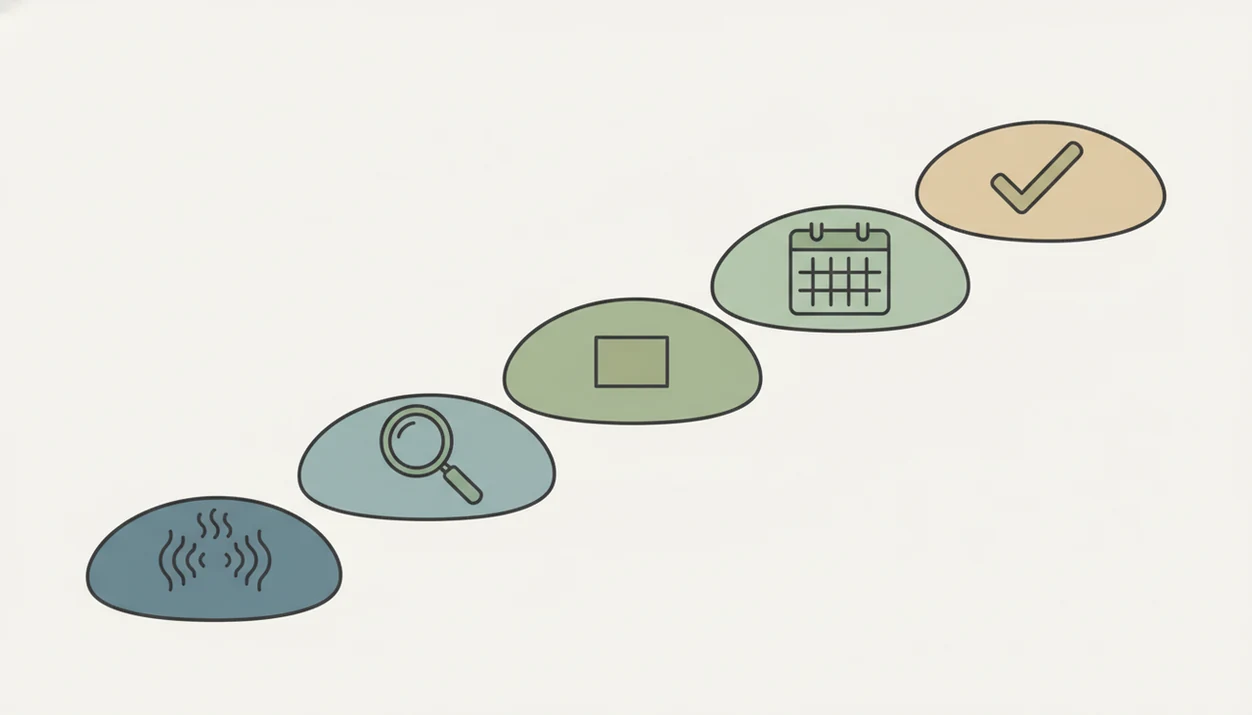
Use this five-step restart plan when you need structure after a scary flight, cancellation, or avoidance spiral. It is meant to be practical, not perfect.
- Set a 72-hour debrief window so you review the event after the body settles.
- Log triggers from the flight and the background week, including sleep, stress, media, caffeine, and alcohol.
- Choose one smaller exposure such as cabin audio, a takeoff video, an airport visit, or a short familiar flight.
- Practice Flight Anxiety App tracks regularly using meditation, hypnosis, breathing, and cognitive techniques before, during, and after exposure.
- Review after the next attempt by noting what you did, what fear predicted, and what actually happened.
Flight Anxiety App is most useful here when you use its meditation, hypnosis, breathing, and cognitive tracks as repeatable practice before the next flight, not as a last-minute promise that fear will disappear.
Next-Flight Plan for a Flight Anxiety Relapse
A next-flight plan turns the relapse review into a travel routine. Build it by stage: one week before, day before, airport, boarding, takeoff, cruise, turbulence, landing, and post-flight review.
One week before, practice daily for five to ten minutes. The day before, limit crash news and turbulence videos, choose your seat, download tracks, and confirm arrival time. At the airport, avoid rushing. In the departure lounge with 18% battery and ten minutes before boarding, you need downloaded audio, not a new plan.
During boarding, use earbuds once seated. At takeoff, play the chosen track. If turbulence starts, use a prepared script or an app that talks you through turbulence. After landing, write three facts before your memory edits the whole flight into danger.
Success is completing the plan or learning from the attempt, not feeling calm the entire time.
Common Mistakes After a Fear of Flying Setback
The biggest mistake after a fear of flying setback is treating anxiety as proof that you should stop practicing. Avoidance brings short-term relief, but it teaches the brain that escape was the reason you stayed safe.
Common traps include self-blame, canceling all future flights, waiting for zero anxiety, overchecking safety statistics, doom-scrolling aviation incidents, and using meditation only during crisis. The pocket check is real: phone, boarding pass, weather app, safety article, repeat.
Meditation or hypnosis can reduce intensity and help you stay with the flight. They are not supposed to erase every sensation. Warm palms, a tight jaw, or a stomach drop can still happen while you are coping well.
For most nervous flyers, smaller repeated practice works better than one dramatic “prove myself” flight because it gives the fear system more chances to relearn.
Progress Checks for Restarted Nervous Flyer Practice
Check progress by tracking behavior, not only feelings. Useful markers include booking the flight, entering the airport, boarding, staying on the plane, using a track, asking for support, recovering faster, or reviewing afterward.
Rate anxiety from 0 to 10 before, during, and after each practice step. Do not expect the number to drop immediately. Sometimes progress is “I started at 8, peaked at 9, and returned to 5 in twenty minutes instead of two hours.”
That counts.
You can also track avoidance: fewer cancellations, less reassurance-seeking, shorter safety searches, or less time replaying turbulence. If your scores stay high and avoidance grows across several attempts, add professional CBT support. Apps such as Flight Anxiety App, calm.flights, and SOAR may support practice, but a plateau with severe distress needs more than self-guided tools.
Limitations of App-Based Flight Anxiety Relapse Support
App-based tools can support relapse recovery, but they are not a substitute for diagnosis or treatment when anxiety is severe, complex, or unsafe to manage alone. Be especially cautious if fear connects with PTSD, substance use, bipolar disorder, panic disorder, or other mental health conditions.
Key limits:
- No app, meditation, hypnosis script, or breathing exercise can guarantee zero anxiety.
- Future setbacks can still happen, especially during heavy turbulence or major travel disruption.
- Hypnosis-specific evidence for fear of flying is more limited than CBT and exposure evidence.
- Digital tools require regular practice between flights; opening them only during panic is less effective.
- Escalating avoidance, severe distress, or inability to take required flights should prompt CBT-informed therapy.
- Medical consultation may be appropriate if symptoms, medication, alcohol use, or health concerns complicate travel.
- A support person can help, but reassurance alone may become another avoidance loop.
For safety questions about digital tools, read are flight anxiety apps safe.
FAQ About Flight Anxiety Setbacks
Is flight anxiety relapse normal?
Yes. Flight anxiety relapse is common in phobia recovery and usually means your fear system was re-triggered, not that previous progress disappeared.
Am I back at square one after a flight anxiety setback?
No. Skills, memories, and previous exposure learning remain, even if a scary flight, panic attack, or cancellation makes fear feel fresh again.
Should I fly again soon after a fear of flying setback?
Gradual exposure is often useful, but the next step may be smaller than a full flight if distress is still very high.
What should I do if I panicked onboard?
Debrief the episode after your body settles, separating panic symptoms from actual danger and noting any coping actions you completed onboard.
Can turbulence cause a flight anxiety setback?
Yes. Turbulence can trigger fear memories and body alarms, even though normal turbulence is not evidence that the aircraft is unsafe.
Do breathing exercises still work after a setback?
Yes. Breathing exercises can reduce intensity, but they work best when practiced regularly, not only during peak panic on the plane.
When should I get therapy for fear of flying?
Get CBT-informed help if avoidance escalates, distress feels unmanageable, required flights become impossible, or panic symptoms dominate repeated travel attempts.