
How To Calm Landing Anxiety During Descent And Touchdown
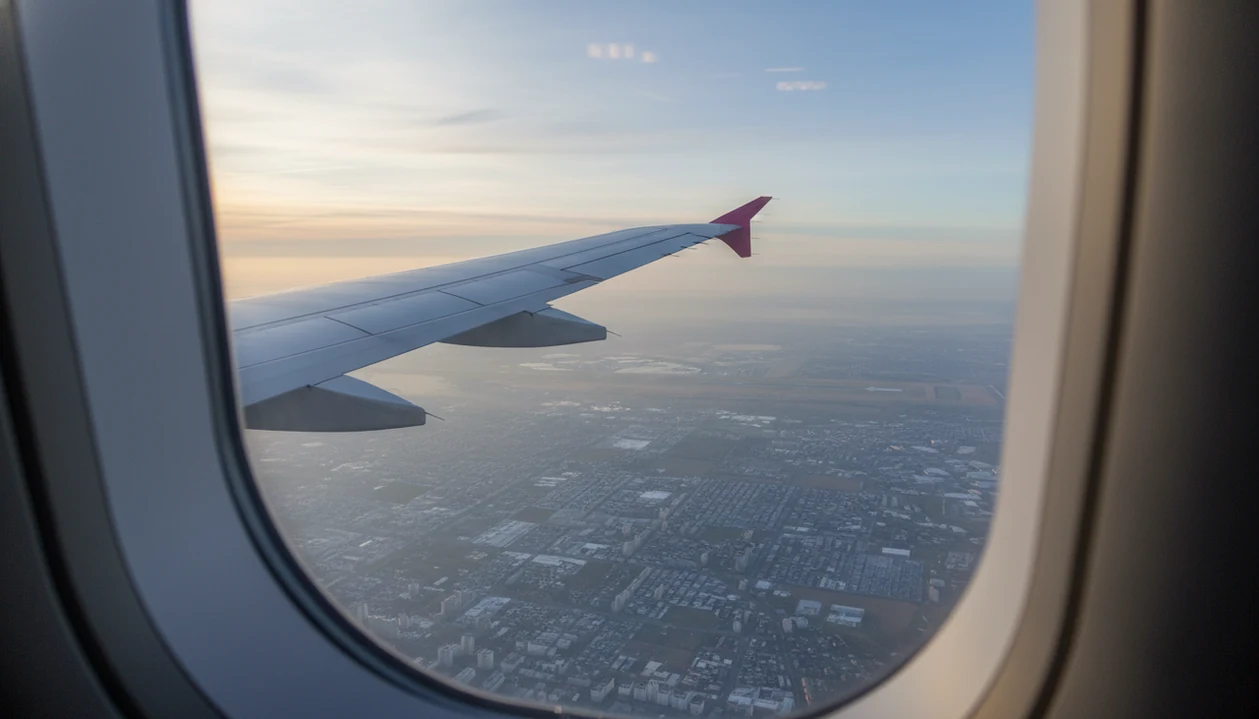
To learn how to calm landing anxiety, use a short descent routine: slow your exhale, name the landing sensations as normal, ground through your senses, and keep your attention on arrival instead of worst-case thoughts. Start the routine as soon as the seatbelt sign comes on so your brain has a script before panic peaks.
> Landing anxiety is a flight anxiety pattern where fear spikes during descent, approach, and touchdown because normal aircraft sensations feel like danger signals.
- Begin your landing routine 20–30 minutes before arrival, not after panic is already high.
- Use longer-exhale breathing, grounding, and realistic safety reframes to reduce the body’s false alarm response.
- Avoid alcohol or unprescribed sedatives; severe or persistent fear of flying may need CBT, exposure therapy, or medical guidance.
Landing Anxiety Definition For Nervous Flyers
Landing anxiety is a flight anxiety pattern where fear spikes during descent, approach, and touchdown because normal aircraft sensations feel like danger signals.
It can happen even if cruising felt manageable. The cabin feels different near arrival: the descent angle changes, engines reduce or increase power, flaps move, landing gear drops, bumps feel sharper, and the seatbelt sign chimes overhead. Touchdown can add a hard jolt, brake noise, and reverse thrust.
None of that makes the fear fake. It means your threat system is reading unfamiliar cues too aggressively.
A structured audio script can help here because it gives you the next cue before fear starts improvising. If you use one, download it before boarding so it still works when Wi-Fi drops.
Five Landing Anxiety Facts Before Descent Starts
- Fear of flying is common, not a personal failure. Cleveland Clinic cites survey data showing 12.2% of respondents reported fear of flying, and about 40% reported some fear of flying source.
- Commercial aviation is statistically very safe. In 2022, there were 5 fatal accidents worldwide in about 32 million flights, or roughly 1 fatal accident per 6.4 million flights source.
- Landing fear often rises because the brain links normal aircraft changes with imagined danger. The body reacts first, then the story follows.
- CBT-style reframing is evidence-aligned for phobic fear. A 2017 meta-analysis found large effects for CBT in specific phobias source.
- Longer-exhale breathing can support parasympathetic activation. In plain terms, a slow exhale helps tell the body, “stand down.”
For many nervous flyers, a planned descent routine is easier than improvising because the loudest fear thoughts arrive when attention is already overloaded.
How Descent Anxiety Works In The Body And Brain
Descent anxiety works when the brain’s threat system misreads routine landing sensations as danger. The amygdala can trigger a false alarm before the thinking brain has checked the facts.
That false alarm can bring a racing heart, dizziness, tight chest, sweating, nausea, or a hot wave through the body. Near landing, those symptoms feel more convincing because the plane is lower, louder, and busier.
Engine pitch changes, flap movement, gear noise, banking, and runway flare are expected parts of landing. They can feel odd from a passenger seat, especially when your knees are pressed to the tray table and every movement seems magnified.
Fear grows when the brain pairs unfamiliar sensations with catastrophic interpretations. “The engine changed” becomes “something is wrong.” The practical next step is to label the sensation first, then answer the story.
Before You Start A Landing Anxiety Routine
Before you start a landing anxiety routine, set it up like a safety plan, not a last-minute rescue attempt. The goal is to remove avoidable problems before the seatbelt sign, cabin noise, and body sensations compete for your attention.
- Download any audio, meditation, or breathing track before boarding so the routine still works if airport Wi-Fi stalls or aircraft Wi-Fi never connects.
- Choose a breathing count that feels steady rather than impressive. If inhale 4, exhale 6 makes you lightheaded, shorten it to inhale 3, exhale 5 or return to normal breathing.
- Avoid alcohol, unprescribed sedatives, and new medication experiments on travel day. Landing is not the place to discover an unexpected side effect or interaction.
- Tell a travel companion what helps if panic becomes visible. A simple plan might be: speak calmly, remind me to exhale, and do not ask too many questions.
- Seek medical advice if chest pain, fainting, severe shortness of breath, or other symptoms are new, intense, or unusual for you.
How To Use A Landing Breathing Exercise During Approach
A landing breathing exercise should be quiet, gentle, and focused on a longer exhale. Longer exhalation can stimulate the parasympathetic nervous system, which may help reduce heart rate and physical arousal. Research on slow breathing links paced respiration with autonomic changes associated with relaxation source.
- Settle your posture with both feet on the floor and your shoulders loose against the seat.
- Inhale through your nose for 4 counts, or use 3 counts if that feels easier.
- Exhale slowly for 6 counts, or use 5 counts if you feel lightheaded.
- Repeat for 6 to 10 rounds without forcing the breath or holding it tightly.
- Return to normal breathing if you feel dizzy, then restart with a smaller count.
Keep it discreet. No one has to know you’re doing it.
The most common medically supported way to reduce anxiety arousal is slow breathing combined with realistic thought labeling, not breath control used as a struggle against panic.
Step 1: Set A 30-Minute Descent Anxiety Coping Routine
How should you calm landing anxiety in the final 30 minutes? Start before panic peaks, then move through descent in small, named phases.
At the seatbelt sign, start your audio or breathing cue. If airport Wi-Fi already dropped, this is where downloaded sessions matter. During initial descent, use inhale 4, exhale 6 and say, “The plane is descending normally.” When approach noises begin, label them: flaps, gear, engine power, cabin movement.
In the final minutes, ground through sight and touch. Name the seatback, window shade, aisle light, shoe, and watch. Then picture one arrival action: walking through the jet bridge, switching off airplane mode, or texting someone after landing.
Touchdown is not the test of whether you felt calm. The test is whether you stayed with the routine.
If boarding is also difficult, build the earlier part of the plan with a boarding anxiety routine.
Step 2: Reframe Landing Sounds With Fear Of Landing Tips
Landing sounds can be uncomfortable, but they are not automatically danger signals. Use a trigger-to-reframe table before descent so you do not have to invent reassurance mid-panic.
| Landing trigger | Realistic reframe |
|---|---|
| Engine power changes | Engines adjust during descent, speed control, and approach. |
| Flaps whirring beside the wing | Flaps help the aircraft fly safely at lower landing speeds. |
| Landing gear thump | Gear extension is loud and mechanical, not unusual. |
| Bumps on approach | Air near the ground can be uneven, especially around weather or terrain. |
| Banking turns | Turns help line up with the runway and approach path. |
| Flare before touchdown | The nose lifts slightly to reduce descent rate before wheels meet the runway. |
Use one CBT-style thought replacement: “This is a normal landing sequence, not evidence of a crash.”
A fuller sound-by-sound plan is useful if your main trigger is cabin noise during descent anxiety coping.
Step 3: Ground Your Attention During Touchdown Panic
Grounding during touchdown works by moving attention from imagined danger back to present sensory facts. It does not argue with fear; it gives the brain better data.
Press both feet into the floor. Rest your hands on the armrests or thighs. Name five visible objects, then four points of body contact: feet, thighs, back, hands. Count six slow exhales. If panic says, “I am in danger,” change the wording to, “I am noticing fear.”
That small language shift matters. It reduces fusion with panic, so the feeling is something happening in you, not proof of what is happening to the aircraft.
If you use audio, a downloaded guided meditation or light hypnosis track can act as a discreet anchor once earbuds are in. Treat it as a repeatable cue, not a guarantee of zero fear.
Step 4: Verify Calm After Landing Instead Of Avoiding Flights
After landing, review what you predicted versus what happened. This is how the brain updates the fear memory instead of filing the whole event as “barely survived.”
Open a notes app before leaving the gate area. Write three short lines: trigger, tool, result. For example: “Gear noise, longer exhale, fear dropped from 9 to 6.” Or: “Final turn, named objects, stayed seated.”
Avoidance teaches the brain that landing was dangerous and escape kept you safe. Review teaches a different lesson: the fear rose, the plane landed, and you had tools.
Messy counts.
Save the note for your next trip, especially if takeoff anxiety also needs planning. The companion guide on how to calm takeoff anxiety uses the same predict-test-review structure.
Common Myths About Landing Anxiety And Medication
Panic during landing does not mean the aircraft is in danger. It means your body has activated a threat response during a high-sensation phase of flight.
Turbulence during landing also does not mean the plane is likely to crash. Bumps can happen during descent, through clouds, over terrain, or near changing winds. They are unpleasant. They are not automatic evidence of danger.
Alcohol or strong medication is not the only solution. Alcohol can worsen anxiety, impair judgment, and create safety issues. Medication decisions should be made with a clinician, especially if you have panic disorder, PTSD, breathing problems, or take other medicines.
A coping routine has not failed because anxiety remains. The goal is lower intensity and more control, not perfect calm. Clinicians typically recommend CBT-style skills and exposure-based treatment for persistent phobic fear, with medication considered case by case.
For in-seat audio planning, readers often compare what to listen to during takeoff anxiety with landing tracks too.
When To Get Professional Help For Fear Of Landing
Get professional help for fear of landing when it keeps you from traveling, causes repeated panic, or pushes you toward coping methods that are unsafe. You do not have to wait until flying feels impossible; earlier support can make the next trip less punishing.
Common referral signs include avoiding needed flights, booking and canceling because of dread, panicking on multiple trips, or relying on alcohol, unprescribed sedatives, or other risky strategies to get through descent. CBT and exposure therapy are two common evidence-based options: CBT helps you test fear thoughts, while exposure therapy gradually retrains the brain to tolerate flight cues without treating them as danger.
A practical next step list:
- Track what happens during descent, including symptoms, triggers, and what you used to cope.
- Contact a licensed therapist or medical professional if fear is repetitive, escalating, or limiting your life.
- Ask about CBT, exposure-based treatment, and whether your symptoms fit panic disorder, PTSD, or another condition.
- Discuss medication only with a licensed clinician who knows your health history and current medicines.
- Seek urgent care for chest pain, fainting, new severe shortness of breath, or symptoms that feel medically unusual.
Limitations
Landing anxiety tools can help, but they have boundaries. Use them as support, not as a substitute for care when symptoms are severe.
- CalmFlying can help many nervous flyers, but it does not replace licensed mental health care for severe aerophobia, panic disorder, PTSD, or complex anxiety.
- Breathing and meditation may reduce symptoms only partially. Some landings will still feel hard.
- No routine guarantees calm on every landing, especially during rough weather or an already stressful travel day.
- Sleep loss, caffeine, work stress, hunger, and dehydration can make descent sensations feel more intense.
- Short-term medication may help selected people, but it can have side effects and is not usually a primary long-term phobia solution.
- Alcohol and unprescribed sedatives are risky coping methods and can make anxiety, coordination, and safety decisions worse.
- If panic symptoms feel new, severe, or medically unusual, seek medical advice rather than assuming they are only flight anxiety.
If you want an app-led version of the routine, an app that guides you through landing anxiety can organize the steps before you fly.
FAQ
Why do landings scare me?
Landings can scare you because normal descent sensations trigger the threat system and feel dangerous. Engine changes, banking, bumps, and touchdown can all be routine but still feel alarming.
How do I breathe during landing?
Use a gentle longer-exhale pattern, such as inhale for 4 and exhale for 6. If that feels too much, use inhale 3 and exhale 5.
Is turbulence during landing dangerous?
Bumps during descent are common and are not automatically a sign of danger. They can feel intense because the plane is lower and your attention is heightened.
Why do engines change before landing?
Engines change sound during descent, speed control, and approach. Power adjustments are a normal part of setting up for landing.
Can panic affect the flight?
Panic feels intense, but it does not affect the aircraft’s operation. The crew, aircraft systems, and flight path continue independently of your anxiety symptoms.
Should I drink before landing?
No, alcohol is not a safe coping method for landing anxiety. It can worsen anxiety, impair judgment, and interact dangerously with medication.
Do flight anxiety apps help?
Apps with breathing, meditation, hypnosis, and cognitive tools can help many people manage symptoms during descent. They are not a substitute for therapy or medical care when fear is severe.
When should I get therapy?
Consider therapy if fear makes you avoid travel, panic repeatedly, or feel unable to fly without unsafe coping methods. CBT, exposure therapy, and medical guidance can help severe or persistent fear.