
What Happens When You Prepare For Flight Anxiety Early

Quick answer: When you prepare early, what happens when you prepare for flight anxiety is that the fear response often becomes less surprising, more manageable, and easier to interrupt before it peaks. Preparation does not guarantee a calm flight, but it can reduce anticipatory stress, increase your sense of control, and give you rehearsed tools for the airport, boarding, turbulence, and landing.
> Definition: Preparing for flight anxiety means practicing coping skills, learning accurate flight information, and planning in-flight supports before travel so fear feels more predictable and manageable.
TL;DR
- Early preparation usually lowers the intensity and surprise of anxiety rather than removing fear completely.
- Breathing, grounding, meditation, hypnosis, cognitive scripts, and basic flight-safety education work through different mechanisms.
- The best preparation combines repeated practice, realistic expectations, and a simple plan for common flight triggers.
What Preparing For Fear Of Flying Changes First
Does preparing for fear of flying change what happens before the flight? For many nervous flyers, preparation first lowers uncertainty, anticipatory panic, and the feeling of helplessness.
The fear may still show up. You might still check the weather under blankets the night before, or notice your stomach drop when the boarding time appears. The difference is that anxiety feels less mysterious. You already know which breathing pattern to use, what sentence to repeat, and what to do when your body surges.
Practical changes matter too. You may have coping tools packed, scripts rehearsed, seat choices planned, and app audio downloaded before airport Wi-Fi fades. Fewer decisions are left for the gate.
Anxiety symptoms are common, not a personal defect. In a 2023 CDC/NCHS report, 42.4% of adults had symptoms of anxiety and/or depression, per the CDC. A prepared flyer is not fearless; they are less caught off guard.
Five Flight Anxiety Preparation Effects To Expect
- Slow breathing, mindfulness, and grounding can reduce immediate physical arousal. These tools give the body a familiar downshift when shoulders brace against the seat.
- Accurate information about aircraft safety and flight routines can reduce uncertainty-driven fear. Knowing what takeoff, flaps, and normal cabin sounds mean can shrink the “what was that?” spiral.
- Comfort planning can increase perceived control. Seat choice, water, snacks, distractions, and telling crew you are nervous all reduce the number of surprises.
- Gentle exposure to flight cues can make triggers feel more familiar. Airport visits, boarding videos, seat-map review, and recorded flight sounds can soften the first shock of travel cues.
- Preparation is a coping tool, not a cure. Success means better management, not zero anxiety.
For most nervous flyers, repeated practice is often more useful than one long advice session because the body needs rehearsal before stress arrives.
How Flight Anxiety Preparation Works In The Nervous System
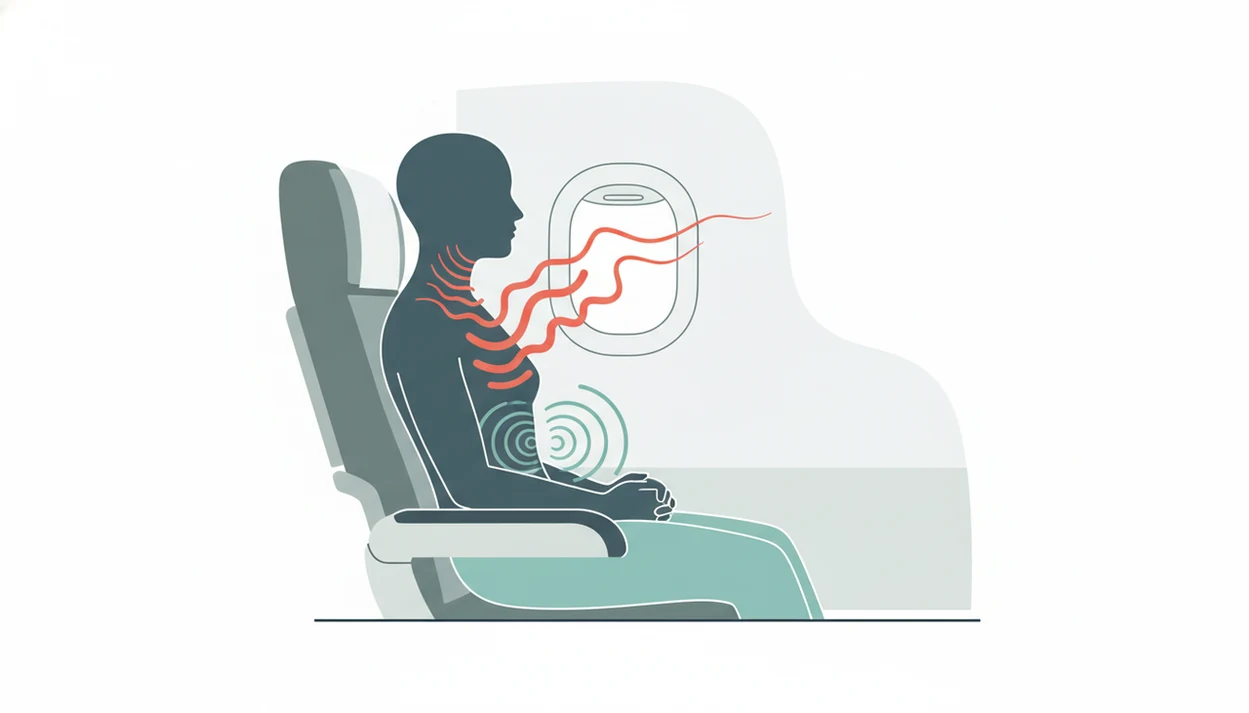
Flight anxiety preparation works by interrupting a threat-prediction loop: body sensations trigger catastrophic thoughts, those thoughts increase arousal, and avoidance urges make flying feel even more dangerous. In plain language, your brain starts predicting danger before the plane does anything unusual.
Repeated breathing, meditation, hypnosis, and grounding practice create familiar responses before the airport. When warm palms land on the armrests, the next step is not improvised. You have practiced it already.
Cognitive techniques work differently. They test catastrophic predictions and replace them with realistic coping statements, such as “turbulence is uncomfortable, and I can ride this minute.” Calming skills regulate arousal; exposure practice reduces novelty and avoidance.
Clinicians typically recommend evidence-based psychological treatment, especially CBT-style methods, when fear of flying causes major impairment. A 2021 systematic review found cognitive behavioral therapy reduced flight anxiety symptoms across studies, with several trials reporting meaningful improvement source.
Flight Day Expectations After Flight Anxiety Preparation
The days before flying may still include intrusive “what if” thoughts. Preparation helps because rehearsed responses can shorten the spiral before it eats the whole evening.
At the airport, the main change is often practical. Less decision fatigue. Quicker recovery after a stress spike. Clearer next steps when an overhead announcement echoes above the seats. A written pre-flight anxiety routine can help if your mind goes blank in the gate area.
Boarding can still raise anxiety because the situation becomes real. That does not mean preparation failed. It means the nervous system noticed the threshold: queue, jet bridge, seat, belt.
App-based audio can fit here as a way to repeat coping practice before travel. Meditation, hypnosis, and cognitive techniques can provide rehearsed cues for the airport and flight, but they should be treated as support tools rather than a guarantee that fear will disappear.
Judge success by your response, not by whether anxiety appears.
Coping Skills Versus Exposure Practice For Flight Anxiety
Coping skills reduce arousal during anxiety, while exposure practice uses safe, gradual contact with flight cues to reduce avoidance and novelty. Many nervous flyers need both.
| Approach | Purpose | Examples | Best timing | Expected effect |
|---|---|---|---|---|
| Coping skills | Lower arousal and stay oriented | Breathing audio, grounding scripts, hypnosis, calming self-talk | Packing night, gate wait, taxi, takeoff, turbulence | Anxiety feels more manageable in the moment |
| Exposure practice | Make flight cues less unfamiliar | Airport visit, flight sounds, seat-map review, boarding videos | Days or weeks before travel | Triggers feel less shocking over time |
| Combined plan | Build readiness and response | Practice audio after watching a boarding video | Before the trip, then during the flight | Less avoidance and clearer coping steps |
If you only have five minutes, choose one coping skill and one realistic statement. If you have weeks, gradual cue practice may help more. Our guide on how to prepare for flight anxiety with phone covers a phone-based version of this plan.
CalmFlying App Preparation For Nervous Flyers
A flight anxiety app can provide meditation, hypnosis, breathing exercises, and cognitive techniques for nervous flyers. App-guided preparation can help because repetition matters more than reading tips once.
Useful formats include pre-flight meditations, breathing timers, hypnosis audio, turbulence reframes, panic coping scripts, and offline airport audio. The real use case is ordinary: opening the app in the departure lounge with 18% battery and ten minutes before boarding. Download first. Airport Wi-Fi is not the moment to troubleshoot.
A 2020 review of digital mental health tools found that app-based interventions can reduce anxiety symptoms, supporting the logic behind repeated app-guided practice. That does not mean any app cures phobia or replaces clinical care.
The best use of a Flight Anxiety App is structured practice you can repeat before and during travel, especially when you have already downloaded the audio and chosen one short routine.
Flight Safety Facts That Reduce Uncertainty Before Flying
Accurate flight-safety information can reduce fear when it answers specific unknowns, such as sounds, turbulence, takeoff sensations, or loss of control. It should not turn into hours of compulsive reassurance checking.
A few facts are enough. Turbulence is usually uncomfortable rather than dangerous. Crews train for routine disruptions. Commercial aircraft use layered safety systems, procedures, maintenance checks, and monitoring. According to the FAA, U.S. commercial aviation operates with layered safety systems, certification standards, maintenance rules, air traffic procedures, and incident reporting requirements; the National Safety Council also reports that scheduled airline deaths are extremely rare compared with everyday transportation risks (FAA, NSC).
Keep the focus on anxiety relief, not becoming an aviation hobbyist overnight. If the flaps whir beside the wing, a useful thought is, “That is a normal configuration change,” not a ten-tab research session.
For turbulence-specific support, a best fear of flying app for turbulence guide can help you compare features, not promises.
Related Flight Anxiety Concepts To Know
Related flight anxiety concepts help explain why fear can start before travel and shift shape during the flight. Anticipatory anxiety is the dread that builds hours, days, or weeks ahead; in-flight panic is the sudden body surge that happens once you are already in the seat.
Not every nervous flyer fears the same thing. Turbulence fear centers on bumps, drops, and weather. Claustrophobia is more about being enclosed, unable to move freely, or stuck in a crowded cabin. Loss-of-control fear focuses on not being the pilot, not being able to leave, or not knowing what happens next. Panic fear is fear of the sensations themselves: racing heart, dizziness, breathlessness, or the thought “I can’t handle this.”
A useful preparation plan separates these pieces:
- Name the main fear so the coping tool fits the trigger.
- Practice one calming skill before travel, not only during panic.
- Use gentle exposure to make flight cues less novel.
- Learn a few safety facts that answer specific unknowns.
- Limit reassurance checking, because repeated weather scans, aircraft searches, or seat-map reviews can feel calming for a minute while teaching the brain to ask again.
Flight Anxiety Preparation Fit For Mild, Severe, And Trauma-Linked Fear
Preparation is especially useful for mild to moderate fear, anticipatory anxiety, turbulence worry, and first-time uncertainty. It gives structure before the fear response has full control.
It may be less sufficient for severe phobia, panic disorder, trauma-linked flying fear, or intense claustrophobia. Different triggers need different support. Loss of control is not the same as confinement. Fear of heights is not the same as fear of panic sensations. A past bad flight can leave a very specific imprint.
Professional help is worth considering if fear prevents necessary travel, causes severe panic, or leads you to cancel important trips. Evidence-based treatment may include CBT, exposure-based work, or clinician-guided medication decisions.
Preparation can still be part of a broader plan. A person working with a therapist may also use breathing practice, flight education, and an app that gives pre-flight calming routine between sessions.
When To Seek Professional Help For Flight Anxiety
Seek professional help when flight anxiety is changing your life, not just making travel unpleasant. Red flags include cancelled travel, panic attacks, trauma triggers, severe avoidance, or anxiety so intense that you feel unable to stay safe or think clearly.
The strongest clinical support is for CBT and exposure-based care. CBT helps you work with catastrophic thoughts and body sensations; exposure-based treatment helps you approach flight cues gradually instead of training your brain that avoidance is the only escape. Medication can be useful for some people, but decisions about whether, when, and what to take belong with a licensed clinician who knows your health history.
A simple next step plan can look like this:
- Name the main problem: panic, avoidance, trauma memories, claustrophobia, or loss-of-control fear.
- Track what you cancel, delay, or endure with extreme distress.
- Ask a primary care clinician or mental health professional about CBT or exposure-focused treatment.
- Discuss medication only with a licensed prescriber, especially if you drink alcohol, take other medicines, or have medical conditions.
- Use emergency support immediately if anxiety includes self-harm thoughts, unsafe behavior, or fear you may hurt yourself or someone else.
Limitations
Preparation helps many nervous flyers, but it has limits. Set expectations before the boarding queue, not after panic starts.
- Preparation does not guarantee a panic-free flight.
- Breathing, grounding, meditation, and hypnosis are coping tools, not proven cures for every fear of flying.
- Some people overuse reassurance, flight tracking, safety research, or repeated checking in ways that keep anxiety active.
- App-based tools vary in effectiveness, and the evidence is stronger for some methods than others.
- Severe phobia, panic disorder, trauma history, or claustrophobia may require professional treatment.
- Medication questions should be handled with a licensed clinician, not self-directed internet advice.
- A prepared person may still feel anxious during takeoff, turbulence, delays, or landing.
- Preparation can reduce last-minute chaos, but it cannot control weather, airline operations, or other passengers.
Reset the plan.
The goal is not to become someone else. It is to have a practiced response when fear gets loud.
FAQ
Can preparation stop flight anxiety completely?
Preparation can reduce intensity and improve coping, but it may not eliminate fear completely. A useful goal is feeling more able to respond, not feeling nothing.
When should I start preparing for flight anxiety?
Start days or weeks before flying so breathing, grounding, and cognitive scripts become familiar. If your flight is tomorrow, practice one short routine several times.
What helps before boarding when I feel anxious?
Before boarding, use slower breathing, grounding, audio practice, hydration, and a realistic coping script. Reducing last-minute decisions also helps.
Does breathing help flight anxiety during takeoff?
Slower breathing can reduce physical arousal during takeoff. It is a coping tool, not a complete cure for flight anxiety.
Can apps help with fear of flying?
Apps can support preparation by repeating meditation, hypnosis, breathing, and cognitive exercises. Flight Anxiety App may be useful when you want structured audio before or during travel.
Why am I still anxious after preparing for a flight?
Anxiety can still appear because flying remains a strong trigger for your nervous system. Preparation succeeds when you recover faster or respond more skillfully.
Should I learn about turbulence before I fly?
Accurate turbulence information can reduce uncertainty if it stays brief and practical. It becomes less helpful when it turns into repeated checking.
Is severe flight anxiety treatable?
Severe flight anxiety may improve with evidence-based treatment such as CBT or exposure-based therapy. Professional support is important when fear causes panic, avoidance, or major disruption.