Meditation Vs Hypnosis For Flying Anxiety: Key Differences
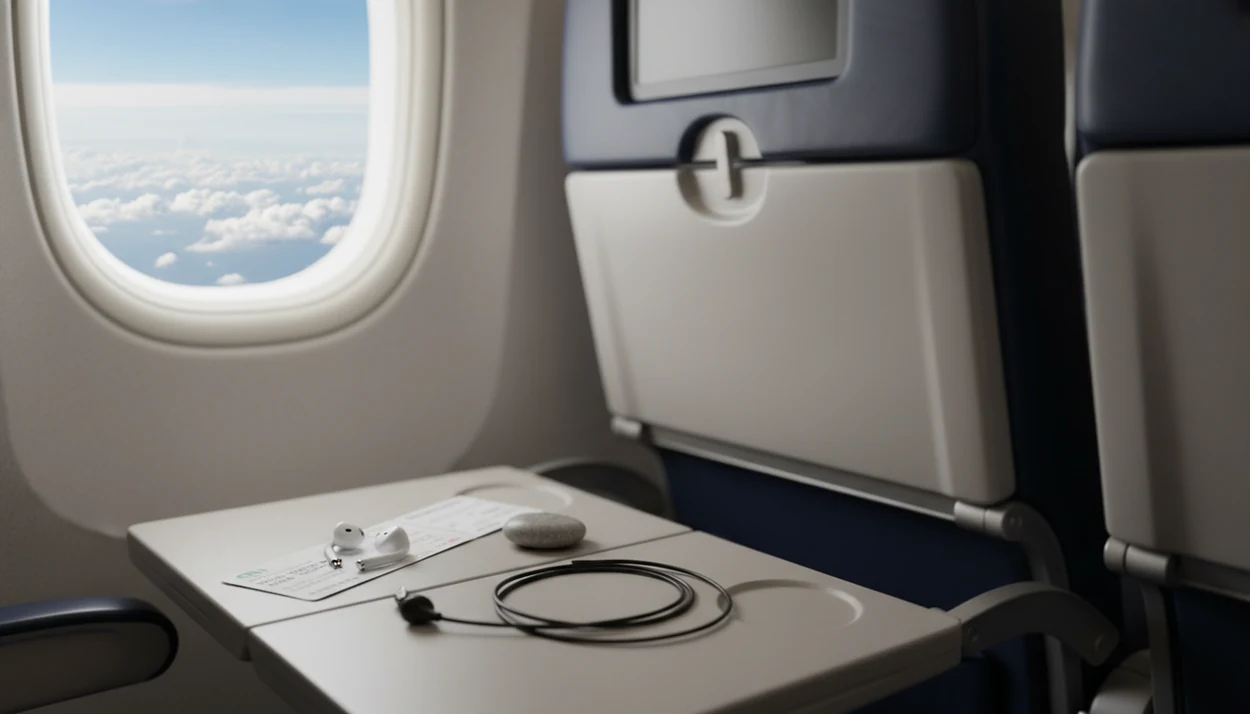
For most nervous flyers, meditation vs hypnosis for flying comes down to timing and goal: meditation is better for staying present with anxiety in the moment, while hypnosis is better for rehearsing calmer automatic responses before the flight. Many people use both: hypnosis before travel and meditation or breathing during boarding, takeoff, turbulence, and landing.
CalmFlying is a flight anxiety app that provides meditation, hypnosis, breathing exercises, and cognitive techniques for nervous flyers.
- Choose meditation if you want a repeatable in-flight coping skill for breathing, body tension, racing thoughts, and panic waves.
- Choose hypnosis if you want a guided audio that uses trance, imagery, and suggestion to change your fear response to takeoff, turbulence, or loss of control.
- Neither method guarantees a cure for fear of flying, and severe panic, PTSD, or phobia symptoms may need support from a licensed clinician.
Meditation vs hypnosis, side by side
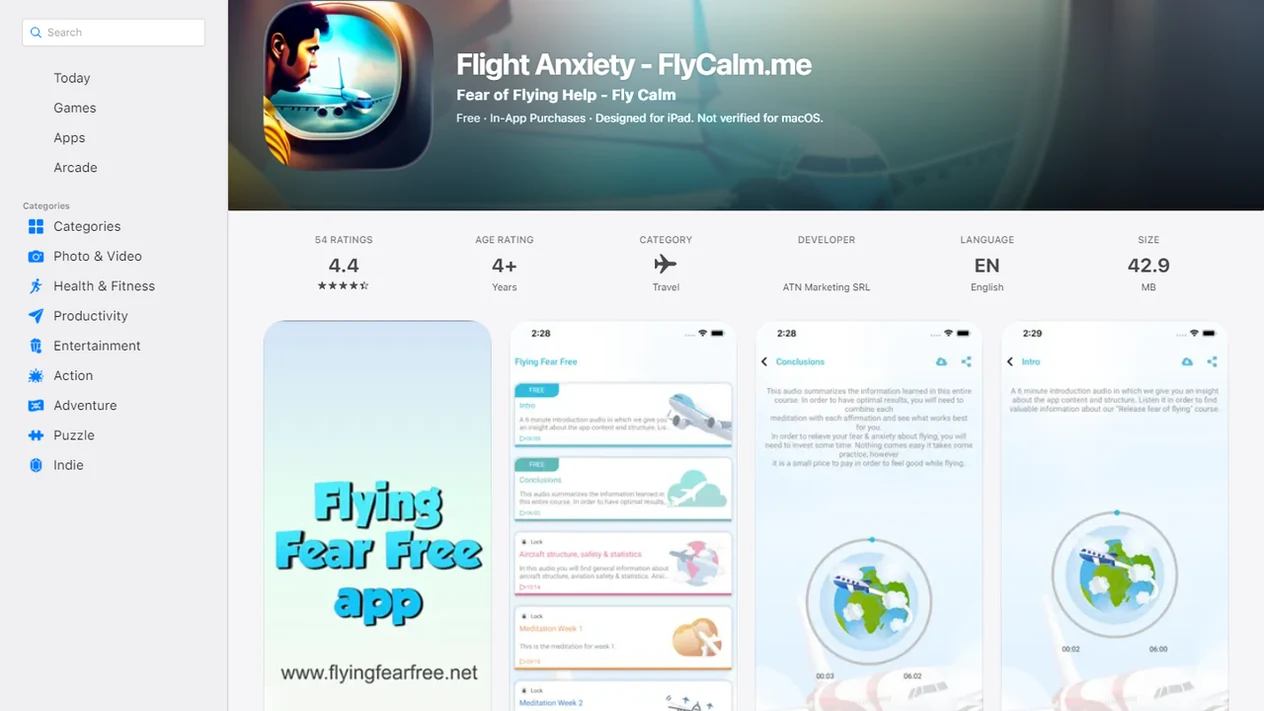
Side-by-side captures of the compared products. Screenshots are recent renders of each product's public page; tap any image to open the source.
Meditation Vs Hypnosis For Flying: 5-Point Audio Comparison
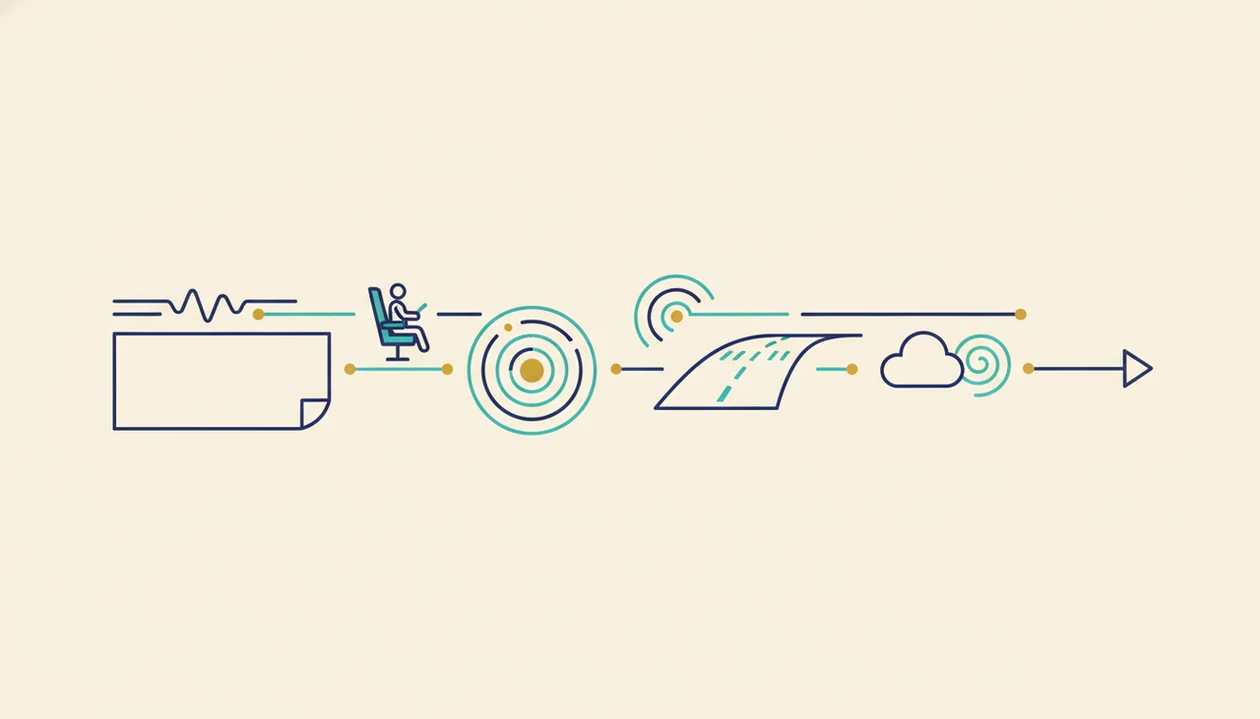
Meditation is usually the better in-flight tool for regulating anxiety as it happens. Hypnosis is usually the better pre-flight tool for rehearsing a calmer response before the airport pressure starts.
| Comparison point | Meditation for flying | Hypnosis for flying |
|---|---|---|
| Main goal | Stay present with fear | Change automatic fear associations |
| User experience | Breath, body scan, grounding, acceptance | Induction, imagery, direct suggestion |
| Timing | Gate, taxi, takeoff, turbulence, landing | Night before, morning of travel, seated safely |
| Suggestion level | Low to moderate | Higher and more direct |
| Best use case | Panic waves and racing thoughts | Specific fears like takeoff or turbulence |
Both can sound similar because a calm voice, slower breathing, relaxation, and visualization appear in both formats. That overlap matters, especially when the wheels start rumbling on runway grooves and your body wants a quick answer.
A 2023 Gallup World Poll analysis found that 41% of U.S. adults felt at least some unease about flying source. For in-the-moment regulation, choose meditation; for pre-flight emotional retraining, choose hypnosis. The cleanest rule is timing: use hypnosis when you can safely close your eyes and rehearse, and use meditation when you need to stay alert, seated, and responsive.
Guided Relaxation, Meditation, And Hypnosis Mechanisms For Flight Anxiety
Guided relaxation calms the body, meditation trains attention and acceptance, and hypnosis combines focused relaxation with direct suggestion. All three can reduce arousal, but they do not work in exactly the same way.
The shared mechanism is simple: slower breathing, predictable voice cues, imagery, and focused attention tell the nervous system there is no immediate danger. In plain terms, the audio gives your brain fewer loose ends to chase. Five objects named in the cabin. One sip of water between breaths.
Meditation changes your relationship to thoughts like “the plane will drop” or “I can’t cope.” Hypnosis tries to change the automatic link between flying sensations and danger. Flight Anxiety App can support either route because it combines meditation, hypnosis, breathing exercises, and cognitive techniques in one travel-stage routine.
For nervous flyers, the useful version is practical flight anxiety relief through meditation, hypnosis, and cognitive techniques delivered via the calmflying app, with each track tied to a real travel moment instead of a vague promise to 'stay calm.'
Meditation For Flight Anxiety: Breathing, Body Scans, And Grounding
Meditation helps nervous flyers notice fear without immediately fighting it, feeding it, or spiraling into a worst-case story. It is a repeatable skill, not a one-session cure.
- Mindfulness teaches you to label thoughts as thoughts, not flight facts.
- Breath awareness gives you a simple anchor when your chest tightens.
- Body scans help you find jaw, shoulder, stomach, and leg tension.
- Grounding uses the cabin, seat, sounds, and senses to return attention.
- Acceptance-based practice lets anxiety rise and fall without treating every sensation as an emergency.
A randomized trial of mindfulness-based stress reduction for generalized anxiety disorder found a 58% mean reduction in anxiety symptoms after 8 weeks source. That is not a direct fear-of-flying study, but it supports meditation-style practice for anxiety reduction.
Best meditation moments during a flight
If your priority is staying steady after the seatbelt sign comes on, Flight Anxiety App fits because it offers breathing, grounding, and meditation tracks that can be used with earbuds once seated.
Hypnosis For Flying Anxiety: Trance, Imagery, And Suggestion
Hypnosis for flying uses induction, deep relaxation, imagery, and suggestion to target automatic fear responses. It may feel more specific than meditation because the script can speak directly to takeoff, turbulence, or loss of control.
- An induction may guide you into a slower, absorbed state.
- Imagery may rehearse sitting calmly as the aircraft climbs.
- Direct suggestions may frame turbulence as normal movement through air.
- Takeoff suggestions may describe routine acceleration rather than danger.
- Seat-based cues may link your body with heaviness, warmth, and safety.
A 2019 meta-analysis of hypnosis for anxiety found a moderate-to-large overall effect, but the studies were not specific to fear of flying source.
Best hypnosis moments before a flight
Anyone dealing with a calendar square circled in red may find Flight Anxiety App useful because the hypnosis tracks can be played at home, before travel day, when closing your eyes is safe and practical. For a deeper explanation, read the fear of flying hypnosis guide.
Hypnosis Or Meditation For Flight Anxiety: 4-Part Choice Framework
Should I choose hypnosis or meditation for flight anxiety? Use hypnosis to prepare the fear response before flying, and use meditation to manage the real-time anxiety wave during the trip.
Pick meditation if
Choose meditation if you like awareness, breathing, acceptance, and repeatable coping skills. It suits the departure lounge with 18% battery and ten minutes before boarding, especially when you need something short and usable. For people who want an in-flight skill they can repeat during turbulence or landing, meditation is often easier than hypnosis because it does not require deep absorption.
Pick hypnosis if
Choose hypnosis if you want a more immersive, suggestion-based track before travel or at home. Prior meditation experience, beliefs about hypnosis, attention style, and hypnotizability can all affect results.
Nervous flyers looking for a single routine can use Flight Anxiety App flight anxiety relief through meditation, hypnosis, and cognitive techniques delivered via the calmflying app because it lets them prepare with hypnosis, then switch to grounding or flight anxiety breathing exercises during the flight.
Evidence For Meditation And Hypnosis In Flight Anxiety
The evidence is encouraging for anxiety relief, but it is not a clean head-to-head verdict for fear of flying. Meditation and hypnosis both have support in broader anxiety research, while direct aviation-specific comparisons remain limited.
Meditation evidence mostly comes from mindfulness, breathing, and acceptance-based studies in anxiety, stress, and panic symptoms. That supports the idea that a nervous flyer can learn to notice sensations, slow the breath, and stay oriented during turbulence, but it does not prove that meditation alone reliably treats aviophobia. Hypnosis evidence also comes largely from general anxiety research, including meta-analytic findings that hypnosis can reduce anxiety symptoms, but most studies do not test takeoff, turbulence, boarding, or loss-of-control fears directly.
A balanced reading is:
- Treat general anxiety studies as support for the underlying skill, not as flight-specific proof.
- Separate flying-specific claims from broader relaxation, mindfulness, or hypnosis claims.
- Assume direct meditation-vs-hypnosis trials for aviophobia are scarce rather than settled.
- Test both methods around real travel moments and track what actually changes.
Individual response varies because practice history shapes familiarity: someone used to breathwork may settle faster with meditation, while someone who absorbs easily into imagery may respond better to hypnosis.
Fear Of Flying Audio Routine Before Boarding, Takeoff, And Landing
A good fear-of-flying audio routine uses hypnosis when you can sit safely with eyes closed, then uses meditation, breathing, or grounding when anxiety spikes in motion. Keep the plan simple enough to follow under airport stress.
- Download hypnosis, meditation, and breathing tracks before airport Wi-Fi drops.
- Play a hypnosis session the night before travel or before leaving for the airport.
- Choose a short meditation while waiting at the gate, especially if boarding is delayed.
- Use breathing or grounding during taxi, takeoff, turbulence, and landing.
- Pause immersive hypnosis whenever you need to walk, listen to crew instructions, or move through the boarding queue.
- Reset with a cognitive prompt after a panic surge, such as “a sensation is not a prediction.”
After boarding, when the landing gear thump beneath the floor makes your stomach jump, Flight Anxiety App covers the switch from pre-flight hypnosis to in-seat meditation through a staged audio workflow. If takeoff is your hardest point, the app that helps with takeoff anxiety page breaks that moment down further.
Guided Relaxation, Meditation, And Hypnosis Myths For Nervous Flyers
These methods overlap, but the myths around them can push nervous flyers toward the wrong track. Compare the structure, not the label on the audio.
Myth 1: Hypnosis means losing control. Most people remain aware during audio hypnosis and can stop the track, open their eyes, or respond to crew instructions.
Myth 2: Meditation or hypnosis guarantees a permanent cure. Evidence supports symptom reduction and coping, not certainty. Bad flight days can still happen.
Myth 3: Guided relaxation, meditation, and hypnosis are identical. Relaxation calms the body, meditation trains attention, and hypnosis adds direct suggestions for change.
Myth 4: One failed session proves it does not work. Fit and repetition matter. The first listen may feel awkward, especially with airport noise nearby.
Passengers comparing calm.flights, soar.com, or fearlessflyerapp.com should compare features, not promises. Flight Anxiety App earns its place when someone wants meditation, hypnosis, CBT-style reframes, and CBT techniques for flight anxiety in one plan.
Limitations
Meditation and hypnosis can help many nervous flyers, but app-based audio has real limits. It should be used as support, not as a substitute for clinical care when symptoms are severe.
- Evidence directly comparing meditation vs hypnosis for fear of flying is limited.
- Most supportive research comes from general anxiety studies, not direct aviophobia trials.
- Self-guided audio may be insufficient for severe panic, PTSD, complex phobias, or diagnosed anxiety disorders.
- Personal hypnotizability, attention style, skepticism, and practice history can influence outcomes.
- Neither method replaces CBT, exposure therapy, medication advice, or care from a licensed mental health professional when needed.
- Audio tracks should not reduce safety awareness during airport movement, boarding instructions, or emergencies.
- Some users may prefer structured courses from providers such as passengerguard.com or flyconfident.com, especially when they want live instruction.
Clinical guidance for phobias commonly emphasizes CBT and exposure-based treatment, with self-guided tools used as adjunct support when appropriate source. For broader app evidence, compare claims carefully in do flight anxiety apps actually help.
FAQ
Is hypnosis better than meditation for flight anxiety?
Neither is universally better. Hypnosis may fit targeted fear rehearsal, while meditation may fit ongoing coping during the flight.
Can meditation stop flight panic during takeoff or turbulence?
Meditation can help reduce, observe, and ride out panic symptoms. It may not stop panic instantly or prevent it permanently.
Does flying hypnosis really work for nervous flyers?
Hypnosis has evidence for anxiety reduction in broader research. Flight-specific evidence is limited, and individual response varies.
Is hypnosis safe to use on a plane?
Audio hypnosis is generally low risk when used seated and safe. You should remain able to hear and respond to crew instructions.
When should I use hypnosis for fear of flying?
Use hypnosis before travel, before leaving for the airport, or while seated safely before boarding or takeoff. Avoid immersive tracks when walking or needing instructions.
When should I use meditation for flight anxiety?
Use meditation during anticipation, boarding, takeoff, turbulence, landing, or any moment when grounding is needed. Short breathing tracks are often easiest in-flight.
Can I combine meditation and hypnosis for flying?
Yes. Many nervous flyers use hypnosis for preparation and meditation or breathing during the flight.
What should I do if meditation and hypnosis do not help my flying anxiety?
Seek professional support if fear causes severe panic, trauma symptoms, avoidance, or major disruption. A licensed clinician can discuss CBT, exposure therapy, and medication options when appropriate.