
How To Help Someone With Flight Anxiety Without Reassurance Loops
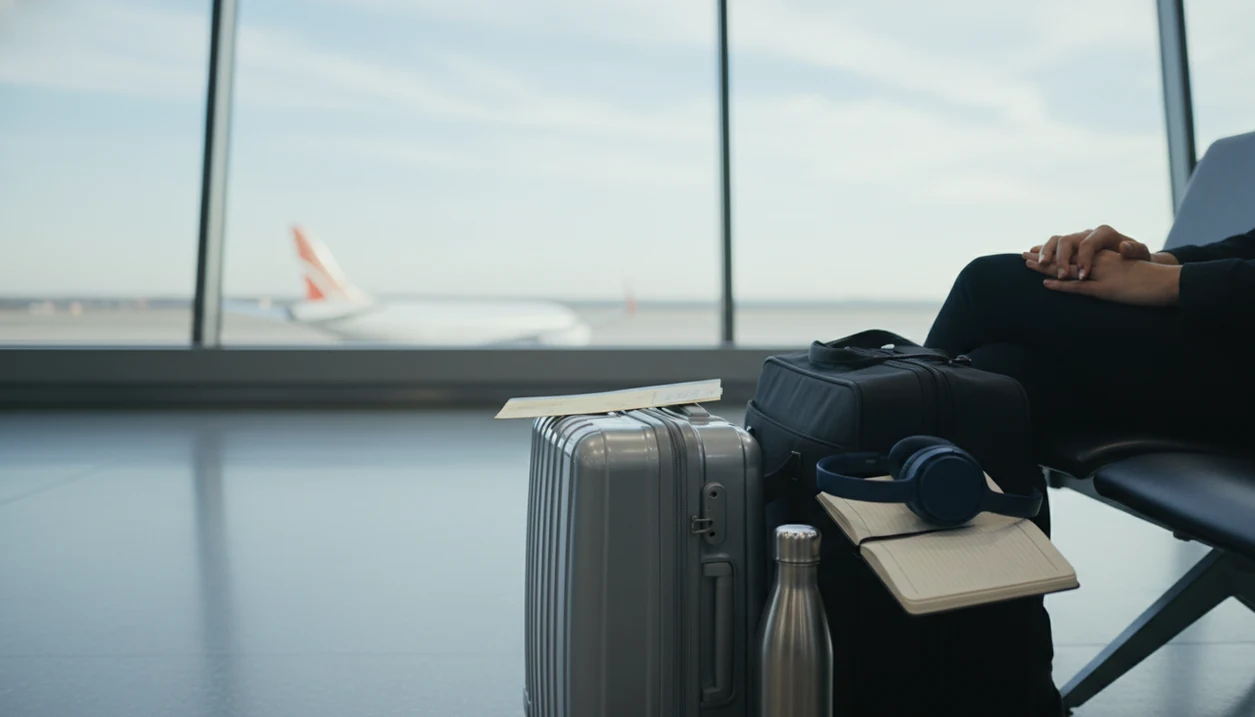
The best way to learn how to help someone with flight anxiety is to stay calm, validate the fear, use specific coping tools, and avoid repeated reassurance that keeps the anxiety cycle going. A nervous flyer usually needs a simple plan, kind scripts, and repeatable routines before, during, and after the flight.
> App-guided breathing, meditation, hypnosis, and cognitive exercises can support a nervous flyer, but they should be used as coping tools, not as medical care or a guarantee of calm.
- Say less reassurance and offer more structure: breathing, grounding, app-guided tracks, and clear next steps.
- Support works best when planned before the airport, not improvised during panic.
- After landing, review what helped so the flight becomes a confidence-building exposure rather than a one-off ordeal.
What Support for a Nervous Flyer Actually Means
Helping someone with flight anxiety means staying present, validating the fear, and guiding them toward coping actions without trying to prove the fear away. Flight anxiety may involve turbulence, crashing, claustrophobia, loss of control, panic symptoms, or the strange feeling of being unable to leave.
A useful support role has four parts: calm presence, practical tools, agreed scripts, and boundaries. You are not becoming their therapist. You are also not promising a panic-free flight.
Specific phobias are common: the National Institute of Mental Health reports a 12-month U.S. adult prevalence of 9.1% and lifetime prevalence of 12.5% for specific phobia (https://www.nimh.nih.gov/health/statistics/specific-phobia).
The passport beside a half-packed bag can still set off dread.
The practical next step is to ask, “Do you want comfort, distraction, or a tool?” That question gives support without taking control.
3-Part Plan to Help a Partner With Fear of Flying
A simple before, during, and after plan is often easier than trying to invent support while someone is panicking. The goal is to reduce choices, name the next action, and make the flight feel more structured.
- Before the flight: agree on seat preferences, airport timing, support scripts, and two app or breathing routines.
- At the airport: reduce decision fatigue by handling bags, water, snacks, gate checks, and timing where appropriate.
- During boarding: use short phrases, slow breathing, headphones, and one grounding cue rather than long safety debates.
- On the plane: pair takeoff, turbulence, cruise, and landing with specific tools, not repeated “you’re fine” loops.
- After landing: debrief one thing that helped and one tool to repeat next time.
For a partner, the most helpful support is planned before anxiety peaks because panic makes new instructions harder to absorb. If this is their first trip, pair the plan with practical first flight anxiety tips so the unknowns feel smaller.
Before You Help a Nervous Flyer
Before you help a nervous flyer, agree on the support role while they are still able to think clearly. Preparation keeps care from turning into guessing, pushing, or accidental reassurance loops.
- Ask what they want early: talk before the airport about whether comfort, distraction, coaching, quiet, or practical help feels best.
- Confirm consent clearly: check whether touch, breathing prompts, guided audio, seat reminders, or conversation are welcome, and accept “not now” without taking it personally.
- Pack the basics: download audio in advance, charge a backup battery, and bring earbuds, snacks, and water so coping does not depend on airport Wi-Fi or a vending machine.
- Choose a stop phrase: agree on one short line, such as “pause the coaching,” that means you stop giving instructions and switch to quiet support.
- Protect the plan: skip alcohol-as-coping and avoid last-minute searches for crash stories, incident videos, or turbulence forecasts that only feed the alarm system.
A small agreement made at home can make the gate, the jet bridge, and the first engine rumble feel less chaotic.
Brain and Body Mechanics Behind Flight Anxiety Support
Flight anxiety support works by helping the brain reinterpret uncertainty, body sensations, and aircraft movement as tolerable rather than immediately dangerous. Anxiety rises when the threat system treats turbulence, confinement, a stomach drop, or racing thoughts as proof of danger.
How flight anxiety support works: validation lowers social threat, breathing reduces physiological arousal, grounding redirects attention, and cognitive reframing changes the meaning assigned to sensations. In plain language, you help the person stop fighting every alarm signal.
Repeated reassurance can soothe for a minute, but it may train the anxious flyer to seek certainty again and again. That is the reassurance loop.
CBT with exposure is a standard evidence-based treatment for phobias, and Cochrane reviews have found exposure-based CBT can reduce specific phobia symptoms, though study quality and follow-up periods vary (https://www.cochranelibrary.com/). Reviews of virtual-reality exposure for fear of flying also report anxiety reductions in many studies, but results depend on protocol quality, sample size, and follow-up duration.
The most common medically supported way to reduce a specific phobia is exposure-based CBT combined with skills that help the person tolerate anxiety during practice.
Pre-Takeoff Flight Anxiety Support Plan
Use this plan before travel day, not when the boarding group is already crowding the carpet. A nervous flyer can follow instructions better when the support plan is written, practiced, and agreed in advance.
- Set a shared goal: aim to get through the flight using tools, not to feel completely calm.
- Choose two or three tools: pick breathing, grounding, hypnosis, meditation, or a cognitive reframe.
- Agree on scripts: write down what helps and what phrases make the person feel dismissed.
- Plan the airport routine: include food, water, limited caffeine, restroom timing, and no alcohol-as-coping.
- Assign flight moments: use a night-before track, drive-to-airport cue, boarding exercise, takeoff audio, turbulence reset, and landing reflection.
Set the support goal
Say, “The goal is not zero anxiety. The goal is staying with the plan.”
Choose the coping tools
Pick tools the flyer has tried at home. New tools can feel annoying under stress.
Agree on the scripts
Ask what they want you to say before they need it.
Plan the airport routine
Pack snacks, water, earbuds, and downloaded audio before airport Wi-Fi drops.
Review after landing
Wait until the person has settled, then name the win.
Supportive Scripts for an Anxious Flyer Without Reassurance Loops
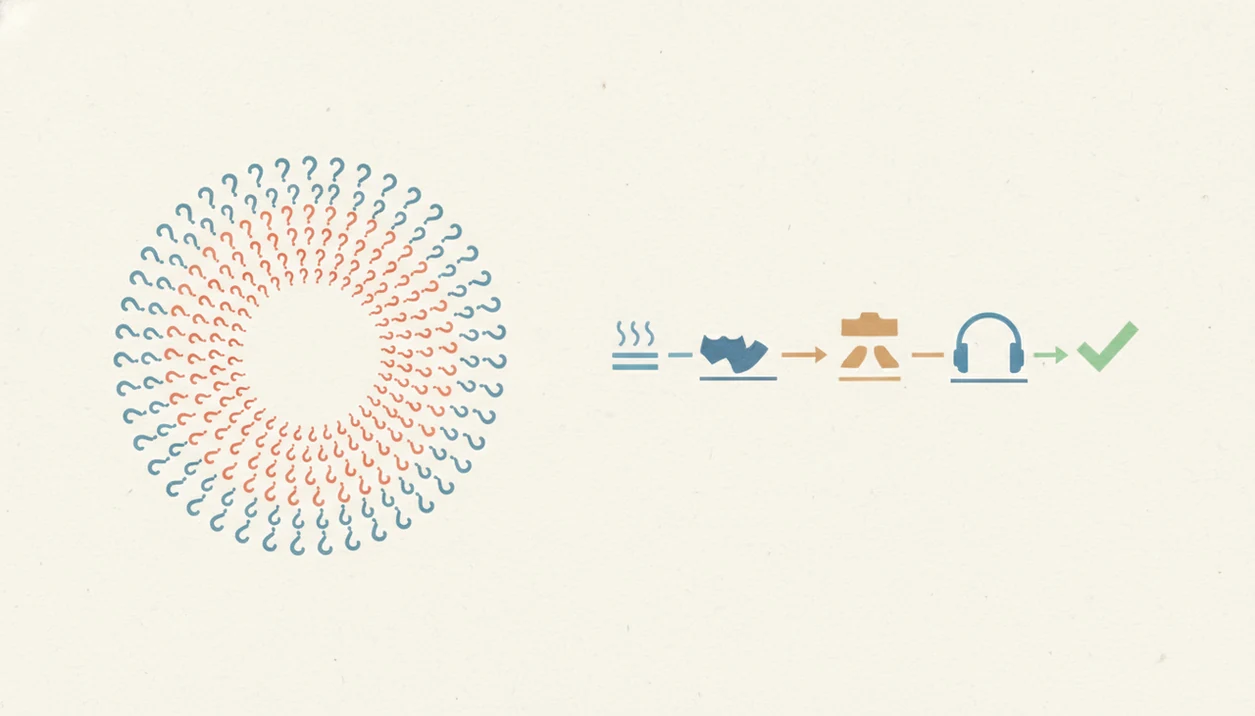
“What should I say to an anxious flyer?” Say one validating sentence, then guide one coping action. “Nothing bad will happen” sounds kind, but it can become an endless reassurance loop if the person asks for certainty again every few minutes.
Try: “I’m here with you.” Then add, “Let’s breathe for 60 seconds.” Another useful script is, “Name five things you can see.” During a spike, use: “You don’t have to feel calm to keep going.”
Scripts before leaving home
“The fear is here, and we’re still following the plan.” Keep it plain. The calendar square circled in red does not need a lecture.
Scripts during boarding
“Do you want comfort, distraction, or a tool?” If they choose a tool, start with breathing or headphones.
Scripts during turbulence
“This is uncomfortable, and we’re staying with the exercise.” If they ask if the plane is safe again, answer once, then return to grounding.
For anticipatory anxiety, short scripts usually work better than safety statistics because they give the person something to do immediately.
Step-by-Step App-Guided Routine to Support a Nervous Flyer
Tools like a Flight Anxiety App, airline education, and structured coping plans can reduce the pressure on a partner to improvise. The routine works best when the anxious flyer practices the audio or exercises before travel day.
How to use flight anxiety support with an app:
- Practice before the trip: play one short track at home so the voice and pacing feel familiar.
- Download sessions early: save the boarding, takeoff, turbulence, and landing tracks before airport Wi-Fi fails.
- Use earbuds once seated: choose one takeoff audio before the seatbelt sign chimes overhead.
- Offer, don’t force: ask before starting an exercise during panic.
- Reflect after landing: log which track, script, or breathing pattern helped most.
Pre-flight practice track
Use it the night before, not only at the gate.
Boarding and takeoff track
Start before the door closes if takeoff is the hardest part.
Turbulence reset track
Pair the audio with feet on the floor and slower exhales.
Post-flight reflection
Record one repeatable step for the next flight.
App-guided meditation, hypnosis, breathing, and cognitive techniques can provide structure and practice, not a guarantee that fear will disappear.
Common Myths About Helping Someone With Flight Anxiety
Many support mistakes come from good intentions. The problem is not kindness; it is relying on the wrong kind of help when anxiety is already loud.
| Myth | Why it can backfire | Better support |
|---|---|---|
| Safety facts alone will make the fear disappear. | Facts may help later, but panic often needs body-based tools first. | Validate the fear, then use breathing or grounding. |
| Alcohol or a strong sedative is the simplest solution. | Alcohol can worsen sleep, dehydration, panic sensations, and judgment. | Discuss medication only with a healthcare professional. |
| Avoiding flying is always healthiest. | Long-term avoidance can keep phobic fear active. | Consider gradual exposure, support, or a structured course. |
| Meditation and hypnosis cannot help real fear. | These tools do not erase fear, but they can lower arousal and focus attention. | Practice them before travel, then use them in flight. |
Medication decisions belong with a healthcare professional, especially if alcohol, sleep loss, other medications, or medical conditions are involved.
For first-time flyers, education plus practice often beats reassurance because it turns vague dread into named flight stages and repeatable actions.
Boundaries That Help a Partner With Fear of Flying
Boundaries are part of support because they stop you from becoming a reassurance machine. A calm partner can answer a question, but they cannot provide permanent certainty about weather, aircraft sounds, or every bump.
Use these boundary scripts:
- The one-answer boundary: “I’ll answer that once, then we’ll return to the breathing plan.”
- The search boundary: “Let’s not look up crash stories tonight. We can review our plan instead.”
- The cancellation boundary: “We can talk about options for ten minutes, then we pause and sleep.”
- The consent boundary: “I won’t coach you unless you want coaching right now.”
A person with flight anxiety still gets autonomy. They can choose tools, refuse touch, ask for quiet, or decide whether professional help is needed.
For supporters who need their own plan, a flight anxiety app for nervous partners can make the support role clearer without turning the flight into a full-time caregiving shift.
Tiny limits help.
Post-Flight Debrief for a Nervous Flyer’s Progress
A post-flight debrief turns the flight into evidence of capability, but timing matters. Do it after food, sleep, or a quiet ride home, not while the person is exhausted at baggage claim.
Ask three questions: “What helped?” “What made anxiety worse?” “What should we repeat next time?” Keep the answers practical. A win can be boarding, tolerating takeoff, using breathing, staying on the plane, recovering after turbulence, or letting the fear rise and fall without escaping.
The brakes humming after touchdown can feel like release. Let that count.
Progress means learning to carry anxiety, not proving the flight was risk-free. For nervous flyers who travel often, a debrief log can show patterns across trips. The approach is especially useful for people building a repeat routine with a flight anxiety app for frequent travelers.
For anxious flyers, reviewing what worked after landing is often more useful than replaying what felt scary because it strengthens the next coping plan.
When to Seek Professional Help for Fear of Flying
Seek professional help when fear of flying causes panic attacks, repeated avoidance, cancelled work or family obligations, or distress that keeps growing despite a support plan. Getting help is not overreacting; it is a practical step when the fear starts running the calendar.
A licensed therapist may recommend CBT with exposure, where the person practices feared flight cues gradually while learning to tolerate anxiety. Structured fear-of-flying programs can also help when they combine education, coping skills, and planned exposure rather than one-time reassurance.
- Notice the red flags: track panic symptoms, skipped trips, last-minute cancellations, or hours of dread before booking.
- Ask about evidence-based care: look for CBT with exposure, aviation-focused anxiety programs, or clinicians familiar with specific phobias.
- Discuss medication early: talk with a licensed clinician before travel, especially if alcohol, sleep loss, or other medications are involved.
- Respect consent: support the person without diagnosing them, pressuring them to board, restraining them, or taking over choices.
- Use urgent support if needed: if anxiety feels unmanageable, unsafe, or linked with thoughts of self-harm, contact local emergency services, a crisis line, or an urgent mental health service.
Limitations
Partner support can reduce distress, but it cannot guarantee a calm or panic-free flight. It also cannot replace medical or mental health care when fear is severe, entrenched, or linked with other conditions.
- Severe flying phobia may need CBT, exposure therapy, a fear-of-flying course, or professional support.
- App-guided tools work best when practiced before the flight, not first opened in peak panic with 18% battery.
- Some people dislike mindfulness, hypnosis, closed-eye exercises, or body scans and need different tools.
- Medication for flight anxiety should be discussed with a healthcare professional, especially before mixing it with alcohol, sleep deprivation, or other substances.
- A supporter must not pressure, mock, diagnose, restrain, or override the anxious flyer’s consent.
- Safety information can help, but it may not calm panic symptoms in the moment.
- Last-minute cancellation spirals may need a pre-agreed plan rather than repeated debate.
If the fear is stopping work, family visits, study, or urgent travel, professional help is a practical next step, not a failure.
FAQ
What calms flight anxiety fast?
Slow breathing, grounding, guided audio, and reducing stimulation can calm flight anxiety quickly. The aim is to lower arousal, not force the person to feel completely calm.
What should I say before takeoff?
Say, “I’m here with you,” then guide one action such as, “Let’s breathe for 60 seconds.” Avoid long arguments about safety during the most anxious moment.
Should I keep reassuring them?
No, repeated reassurance can become a loop that makes the person seek certainty again and again. Answer once, then return to breathing, grounding, or a planned script.
How do I handle turbulence panic?
Use a calm voice, cue feet on the floor, and guide slow exhales. Reframe turbulence as uncomfortable and expected, then redirect attention to a grounding exercise.
Can alcohol help flight anxiety?
Alcohol should not be the main coping plan for flight anxiety. It can worsen dehydration, sleep, panic sensations, and decision-making.
Should they take anxiety medication?
Medication decisions should be made with a healthcare professional who knows the person’s history. A new medication should not be trialed casually for the first time during a flight.
Where should a nervous flyer sit?
Many nervous flyers prefer seats over the wing for less perceived motion or an aisle seat for easier access and less claustrophobia. The right seat depends on the person’s main trigger.
Can apps help fear of flying?
Apps can help by providing guided breathing, meditation, hypnosis, and cognitive techniques at specific flight stages. They are most useful when the routines are practiced before the trip.
When is professional help needed?
Professional help may be needed if flying fear causes avoidance, panic attacks, major distress, or cancelled responsibilities. CBT with exposure or a structured fear-of-flying course may be appropriate.