Flight Anxiety App Evidence For Breathing, CBT, Hypnosis, And Audio
Quick answer: The strongest flight anxiety app evidence supports CBT-style education, exposure practice, and anxiety skills such as breathing, while direct randomized trials of branded fear-of-flying apps remain limited. Apps can be useful self-help tools, but they should be judged against exposure-based CBT, not app store reviews.
> Definition: Flight anxiety app evidence means the research base behind digital tools that aim to reduce fear of flying through breathing exercises, mindfulness, hypnosis, CBT-style techniques, psychoeducation, or simulated exposure.
TL;DR
- Exposure-based CBT has the strongest evidence for fear of flying, and app tools are best viewed through that standard.
- Digital CBT has solid anxiety research behind it, but most commercial flight anxiety apps have not been tested in direct randomized trials.
- CalmFlying is a flight anxiety app that provides meditation, hypnosis, breathing exercises, and cognitive techniques for nervous flyers.
Flight Anxiety App Evidence At A Glance
Direct proof for most flight anxiety apps is weaker than the evidence for CBT and exposure therapy. The fairest test is not “does the app feel calming once?” but whether it uses methods linked to reduced avoidance, repeated flying, and lower distress.
A randomized controlled trial is stronger than a user survey. A systematic review is stronger than one small study. Component evidence, such as breathing research or digital CBT research, can support a feature, but it does not prove the whole app works as a package.
App store ratings are not clinical evidence. They can tell you whether the audio loads, whether people like the voice, and whether the gate-wait version is easy to find with 18% battery.
Tools like Flight Anxiety App fit supported categories when they include breathing, cognitive techniques, education, and guided practice. That is evidence-informed, not the same as clinically proven.
Five Facts About Evidence For Fear Of Flying Apps
- Exposure-based CBT is the best-proven treatment category for flight anxiety because it targets avoidance, threat predictions, and feared sensations directly.
- Internet-based CBT for anxiety disorders has shown medium-to-large effects in meta-analysis, with Hedges g around 0.8 compared with controls source.
- Computerized CBT can produce clinically important benefits, including in computerized CBT programs for anxiety source according to a Cochrane review, but many programs in the research were guided rather than fully self-directed.
- A computer-based fear-of-flying trial using virtual reality exposure plus psychoeducation found that about 80% of treated participants flew afterward, compared with about 20% on a waitlist. source
- Hypnosis and meditation may help some nervous flyers regulate arousal, but their fear-of-flying evidence is less robust than CBT and exposure.
One practical next step is to compare features, not promises. If an app claims “science-backed,” ask which part is backed: the CBT structure, the breathing skill, the flight education, or the exact app.
Digital Anxiety App Research For Flight Anxiety
Digital anxiety app research for flight anxiety is usually indirect evidence built from component studies, internet CBT trials, and smaller fear-of-flying experiments. That matters because a feature can be evidence-informed even when the branded app has not been tested as a full program.
Randomized controlled trials assign people to a treatment or comparison group. Waitlist controls show what happens when people receive no active program yet. Good studies also track adherence, outcomes, and follow-up, not just whether someone felt better on day one.
Clinically meaningful outcomes are concrete. Did the person board? Did they stop canceling trips? Did panic during takeoff drop enough to keep practicing?
The phone-in-pocket test is real.
How flight anxiety app evidence works: researchers look at mechanisms such as safety learning and cognitive reappraisal. In plain English, the person learns that feared sensations and aircraft cues are uncomfortable but not proof of danger. For broader safety questions, the related guide on are flight anxiety apps safe covers app-only support and risk.
How Flight Anxiety App Evidence Works
Flight anxiety app evidence works by separating proof for the ingredients from proof for the exact app. A breathing track, CBT lesson, or exposure exercise may be supported by related research, while app-specific randomized trial evidence asks whether that complete branded program beats a comparison group.
The main mechanisms are practical. Exposure means approaching feared flight cues in planned steps instead of avoiding them. Cognitive reappraisal means testing catastrophic thoughts and replacing them with more accurate explanations. Safety learning is the brain discovering, through repeated practice, that turbulence, engine noise, or a racing heart can feel threatening without being dangerous. Arousal regulation means lowering the body’s alarm level with skills such as paced breathing, grounding, or calming audio.
A fair evidence check usually asks:
- Look for outcomes beyond “I felt calmer,” especially boarding, fewer cancellations, lower distress, and willingness to fly again.
- Check whether results lasted at follow-up, not only during the first session.
- Separate app ratings from clinical proof, because stars can show usability and satisfaction, but not whether avoidance changed.
CBT And Exposure Evidence Behind Flight Anxiety Self Help
Does CBT-style self help have evidence for flight anxiety? Yes, CBT and exposure are the highest-confidence parts of flight anxiety self help, especially when they combine psychoeducation, graded practice, and testing feared predictions.
Cognitive restructuring helps a flyer question thoughts such as “turbulence means the plane is falling.” Safety learning comes from staying with a feared cue long enough to learn that anxiety rises, peaks, and drops. Graded exposure builds this in steps: booking, packing, airport sounds, boarding, takeoff audio, and eventually flying.
The strongest flight-specific digital example is the virtual reality exposure plus psychoeducation trial. It was not a modern app store product, but it showed that computer-based exposure can change real flying behavior.
Flaps whirring beside the wing can sound alarming when no one has explained them. Turbulence education and fear prediction testing reduce catastrophic thinking because they give the brain a better label for normal aircraft movement.
For mild to moderate fear, self-guided CBT tools can support practice, but they are not equal to clinician-led exposure therapy for severe avoidance.
Breathing, Mindfulness, Hypnosis, And Audio Evidence In Fear Of Flying Apps
Common fear-of-flying app features have different evidence strengths. Breathing is useful for short-term arousal regulation, while CBT and exposure remain closer to the core treatment evidence.
| App component | What it may help with | Evidence position |
|---|---|---|
| Breathing exercises | Slowing acute anxiety during boarding, taxi, or turbulence | Useful skill, not a full phobia treatment alone |
| Mindfulness | Noticing panic sensations without escalating them | Supported for anxiety regulation, indirect for flying |
| Hypnosis audio | Relaxation, imagery, pre-flight settling | Plausible adjunct, less consistent direct evidence |
| Guided meditation | Anticipatory worry and body tension | Helpful for some users, usually supportive |
| Calming education | Aircraft sounds, turbulence, takeoff sensations | Strong fit with CBT-style psychoeducation |
If you only have five minutes, use breathing to lower the volume of symptoms, then add a cognitive prompt. Feet pressed flat on carpet before boarding is not a cure, but it can interrupt the spiral.
Flight anxiety relief through meditation, hypnosis, and cognitive techniques delivered via the calmflying app should offer repeatable coping practice, not a guaranteed cure. CalmFlying combines meditation, hypnosis, breathing exercises, and cognitive techniques in that support-tool role.
Evidence Hierarchy For Flight Anxiety App Claims
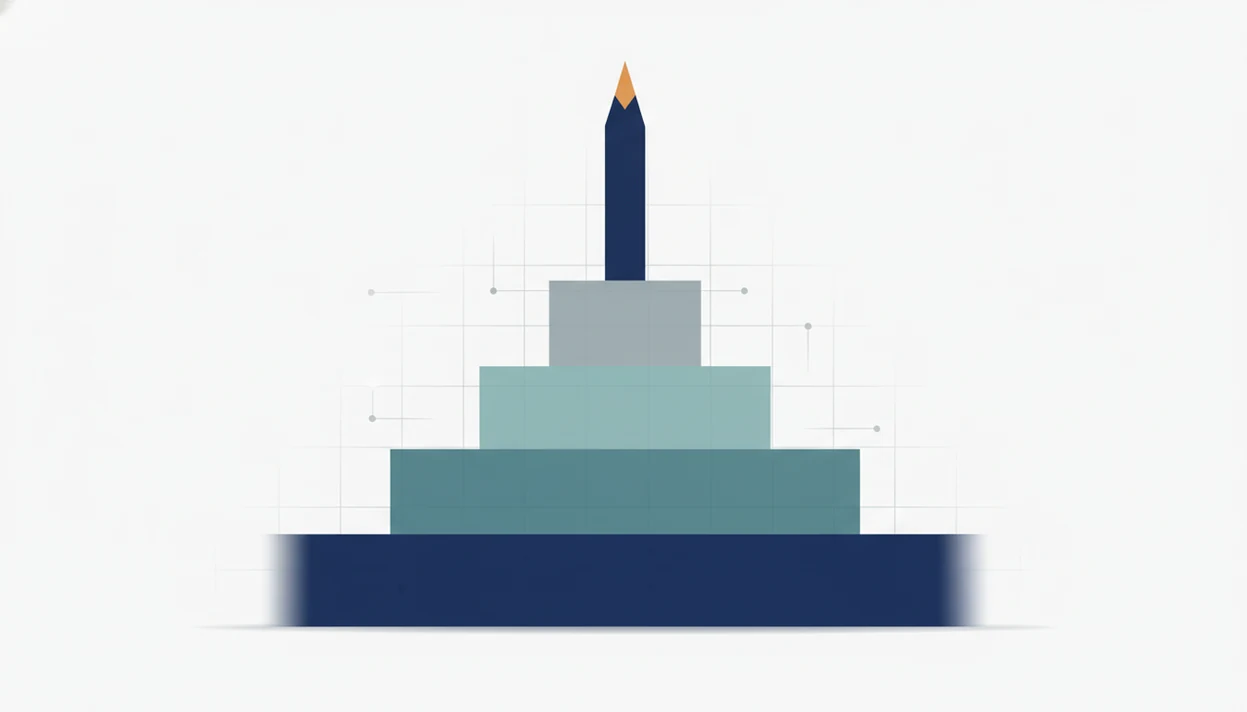
Not all “evidence-based” claims mean the same thing. Systematic reviews and meta-analyses sit above randomized controlled trials, which sit above observational studies, testimonials, and app reviews.
Strongest proof
| Evidence type | What it can show |
|---|---|
| Systematic review or meta-analysis | Whether a method works across multiple studies |
| Randomized controlled trial | Whether a program beats a comparison group |
| Validated outcome tracking | Whether distress, avoidance, or flying behavior changed |
Weakest proof
| Evidence type | What it can show |
|---|---|
| App store review | Usability, satisfaction, bugs, and engagement |
| Testimonial | One person’s experience |
| Marketing phrase | A claim that needs verification |
CBT wording in an app description does not guarantee quality. Before trusting a claim, ask: Was there a trial? Was the outcome flying or just calmness? Was follow-up measured? Who dropped out? The same standard helps when reading can an app cure fear of flying.
How To Use Flight Anxiety App Evidence
Use flight anxiety app evidence as a filter for claims, not as a promise that one download will fix flying fear. The best choice is usually the app that matches supported methods, measures real flying progress, and is honest about its limits.
- Check whether the app clearly names CBT, exposure practice, psychoeducation, or related cognitive techniques, rather than relying only on soothing music or vague “calm” language.
- Look for direct trials of the specific app before accepting branded effectiveness claims; if there are none, treat the claim as evidence-informed only.
- Compare the features with clinically supported fear-of-flying techniques, such as graded practice, testing catastrophic predictions, learning normal aircraft sensations, and reducing avoidance.
- Prioritize outcomes tied to actual flying behavior: booking, boarding, fewer cancellations, lower distress during takeoff, and willingness to fly again.
- Use the limitations as a safety check. If panic is severe, trauma is involved, symptoms feel medically unsafe, or avoidance is spreading, professional help is the safer route.
Flight Anxiety Self Help Evidence For Nervous Flyers
Flight anxiety self help evidence is most relevant for nervous flyers with mild to moderate anticipatory anxiety. It may also fit people who avoid flights but can practice gradually before travel day.
- Anticipatory worriers: People who start checking the weather app under blankets days before a trip may benefit from structured CBT-style planning.
- Gradual practicers: People who can rehearse booking, airport arrival, takeoff sounds, and turbulence education have a clearer path than people seeking instant relief.
- In-flight skill users: People who want tools during booking, airport waiting, takeoff, turbulence, and landing may use an app as a practical cue system.
- Complex cases: Severe panic, trauma, substance misuse, major depression, or broad anxiety may require professional evaluation.
Specific phobias, including fear of flying, affect about 12.5% of U.S. adults over a lifetime source. A large population survey also reported fear of flying in 8.1% of respondents; add the exact survey citation here or remove the number if the source cannot be verified. Clinicians typically recommend exposure-based CBT for specific phobias, with support adjusted to severity. If symptoms are severe or tangled with trauma, read when to see therapist for fear of flying.
When To Seek Professional Help For Flight Anxiety
Seek professional help when flight anxiety is severe, medically confusing, tied to trauma, or leading to unsafe coping. Apps can support practice, but they cannot provide urgent assessment, crisis care, or a clinician’s judgment.
Red flags include panic that feels unmanageable, repeated cancellations, flashbacks or nightmares after a frightening travel event, and using alcohol, sedatives, or other substances to get through a flight. Clinician-led exposure therapy may also be a better fit when avoidance has become entrenched, when you cannot practice without overwhelming distress, or when fear of flying sits alongside PTSD, panic disorder, depression, or broader anxiety.
A practical threshold check:
- Contact a mental health professional if panic, avoidance, or trauma symptoms are interfering with work, family, or necessary travel.
- Ask about exposure-based CBT if you need structured practice rather than one-off calming tools.
- Avoid relying on alcohol or unprescribed medication as your main flight plan.
- Seek medical evaluation for new chest pain, fainting, severe shortness of breath, neurological symptoms, or any physical symptom that feels alarming.
- Use emergency or crisis services if you might harm yourself or cannot stay safe.
Limitations
Flight anxiety apps can be useful, but the evidence has clear limits. The biggest gap is direct randomized controlled trials of specific branded apps.
- Most branded flight anxiety apps lack direct randomized controlled trials.
- Evidence is often inferred from CBT, exposure, digital anxiety, mindfulness, and relaxation research.
- Self-guided programs depend on motivation, repetition, and honest practice.
- Drop-off matters. Downloaded sessions do not help if they stay unopened.
- Incomplete exposure practice can reduce real-world effects.
- Apps may not address panic disorder, PTSD, generalized anxiety, depression, or substance misuse.
- Hypnosis evidence for fear of flying is limited and heterogeneous.
- App audio cannot provide urgent medical care or crisis support.
- A calming session before boarding does not prove long-term fear reduction.
Dry mouth during engine roar can feel medical even when it is anxiety. If symptoms feel unsafe, new, or severe, seek medical advice. Apps can support flight anxiety without medication, but they should not replace urgent care or clinician-led treatment when that is needed.
FAQ
Do flight anxiety apps work?
Flight anxiety apps can help some nervous flyers, especially when they use CBT-style education, exposure practice, and anxiety regulation skills. Direct app-specific evidence is still limited.
Are fear of flying apps proven?
Very few branded fear-of-flying apps have randomized trials. Many claims rely on related digital anxiety research, CBT evidence, or component evidence.
Is CBT best for flight anxiety?
Exposure-based CBT has the strongest evidence for phobias and fear of flying. It targets avoidance, catastrophic predictions, and safety learning.
Does breathing help flight anxiety?
Breathing can reduce acute arousal during anxiety, including during boarding, takeoff, or turbulence. It is usually not a complete phobia treatment by itself.
Does hypnosis help fear of flying?
Hypnosis may help some people with relaxation and imagery. Its evidence for fear of flying is weaker and less consistent than CBT and exposure.
Can a flight anxiety app replace therapy?
A flight anxiety app may support mild to moderate anxiety. It should not replace clinician-led care for severe panic, trauma, depression, substance misuse, or complex anxiety.
What evidence matters most when choosing a flight anxiety app?
Systematic reviews, randomized controlled trials, and validated outcomes matter more than testimonials. App store ratings are useful for usability, not clinical effectiveness.
Are app reviews clinical evidence?
No. App reviews show user experience, satisfaction, and sometimes engagement, but they cannot prove treatment effectiveness.
Who should avoid app-only help?
People with severe panic, trauma symptoms, substance misuse, depression, or broader anxiety disorders should seek professional support. App-only help can be a support tool, not a substitute for clinical care.